
Last updated November 15, 2026
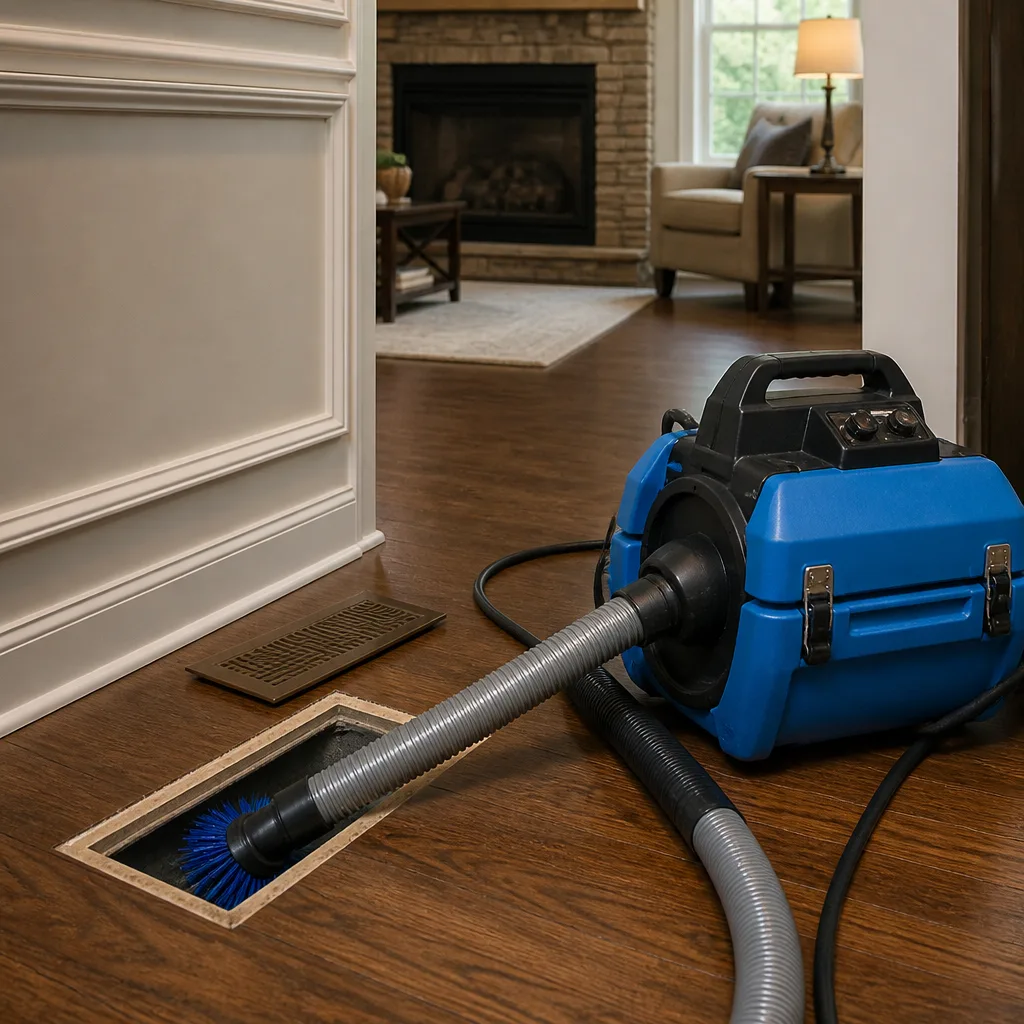 Whole-home duct cleaning
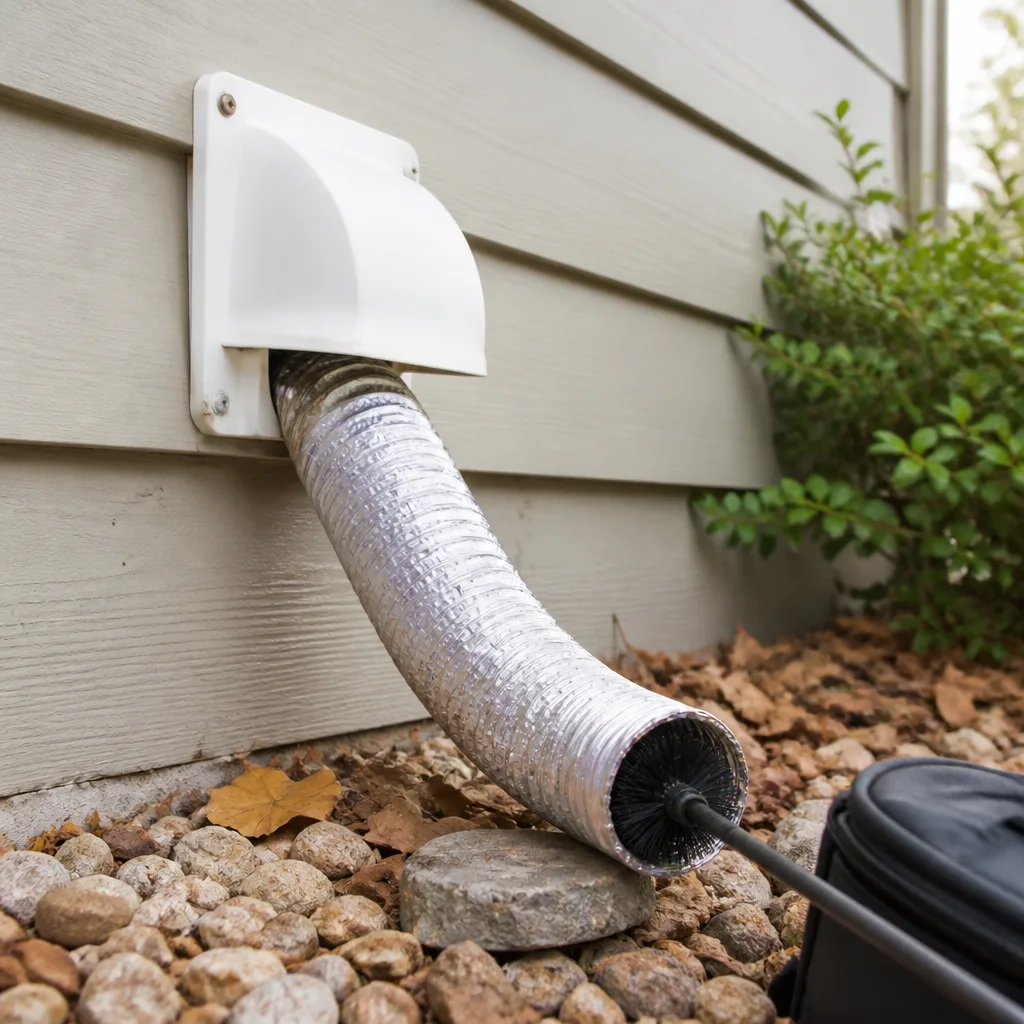 Dryer vent cleaning
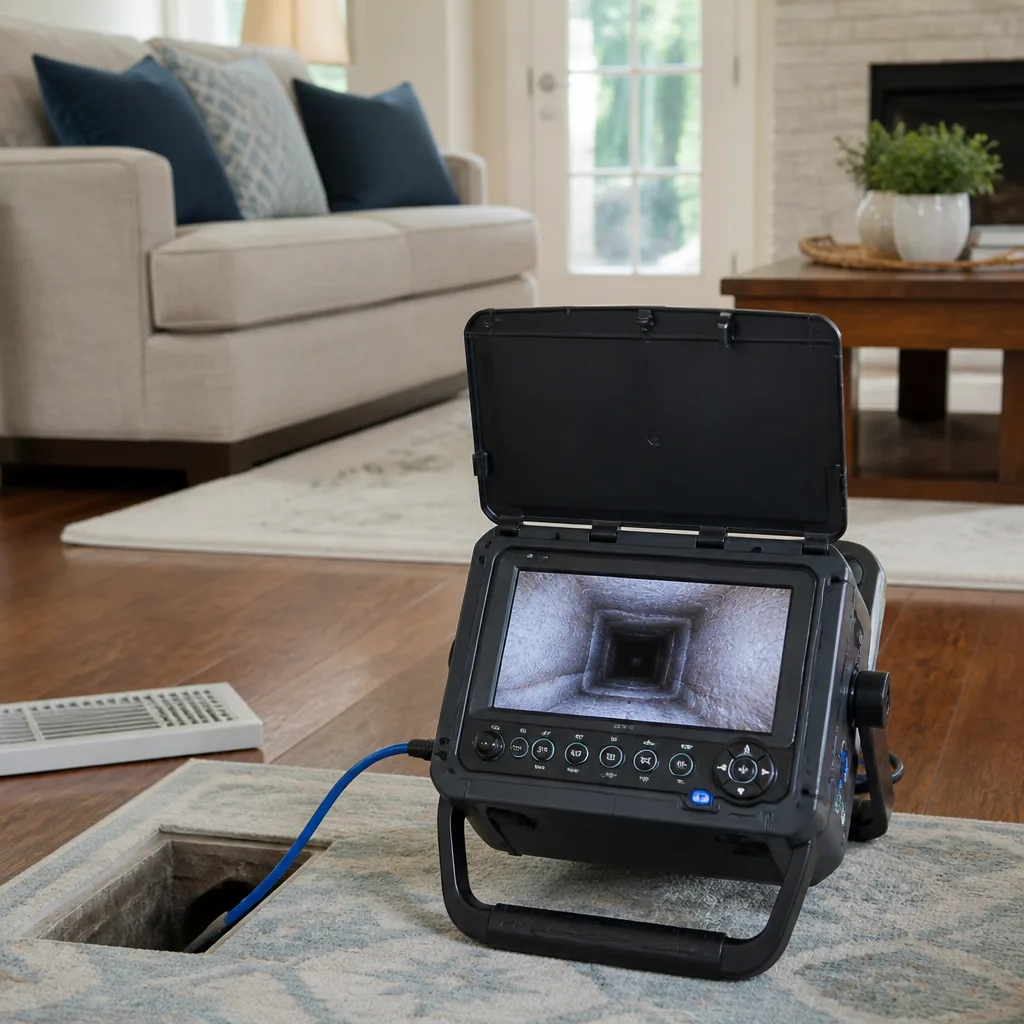 Camera inspection
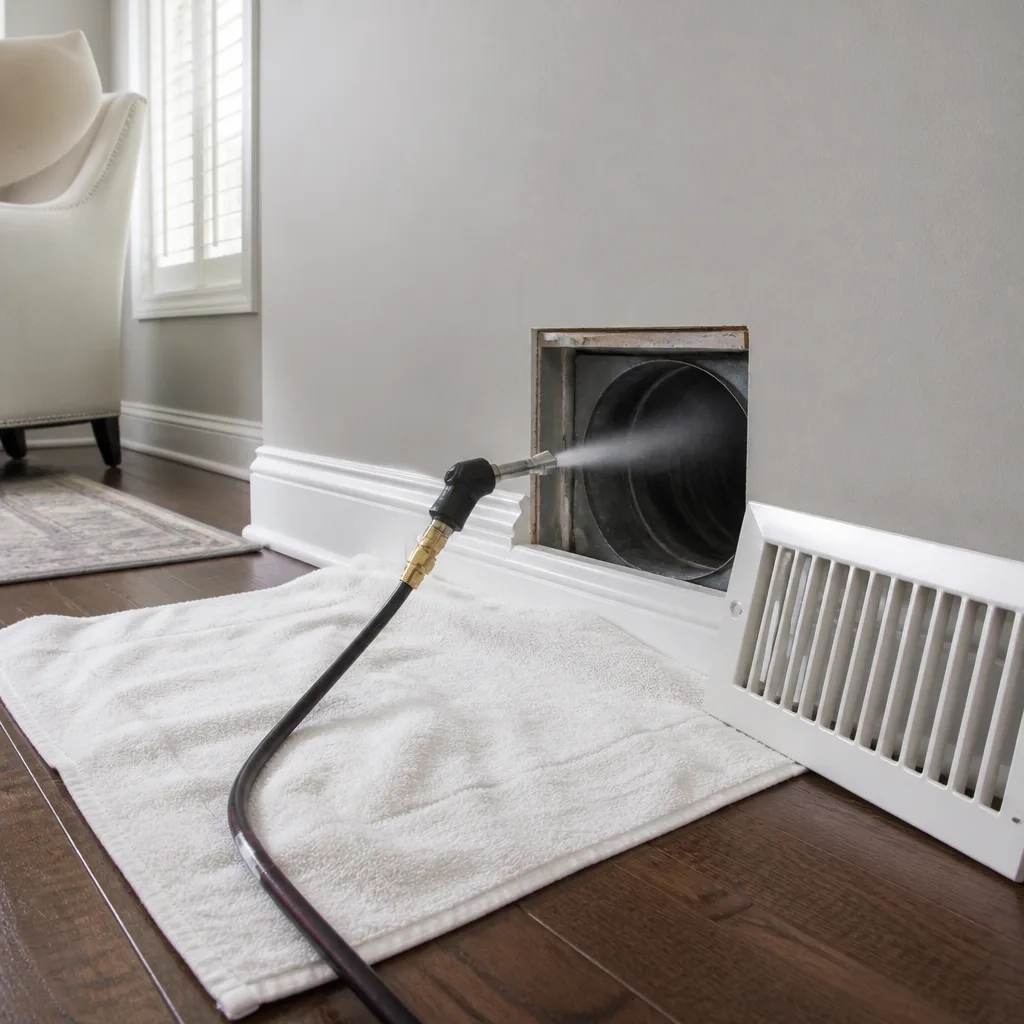 Sanitizing & deodorizing
Whole-system duct and dryer vent check with before-and-after photos - you see exactly what came out of your vents
That "$99 whole-house special" is a bait ad - the real number appears once they are in your hallway, or the "clean" is a shop-vac at the register. We photograph the inside of your ducts before and after instead.
Air Duct Cleaning Permits, Codes & Inspections in College Station, TX: What You Need to Know
Here’s the part almost nobody explains before signing a duct cleaning estimate: routine cleaning of an existing duct system usually needs no permit at all. But the moment a contractor cuts out and replaces a section of flex duct, reconnects a trunk to the air handler, or reseals a system in a way that changes how it’s configured, you’ve crossed from maintenance into mechanical alteration. In Texas, that line matters, and in College Station it matters when you sell, when you file an insurance claim, and when a city inspector asks who did the work. This guide maps exactly where that line sits, how permits are pulled, what gets inspected, and how to verify a contractor’s paperwork before anyone touches your ducts.
Quick Answer
Routine air duct cleaning itself does not require a permit in College Station, but any work that alters the mechanical system, such as replacing duct runs, reconnecting ductwork at the air handler, or changing the configuration of the system, falls under the Texas State Mechanical Code (based on the International Mechanical Code) and local permitting through City of College Station Development Services. Duct sealing and encapsulation that don’t change the system layout typically sit on the cleaning side of the line. When in doubt, ask your contractor to confirm permit status in writing before work begins.
Styles & brands we work with
- Whole-home duct cleaning
- Dryer vent cleaning
- Camera inspection
- Sanitizing & deodorizing
Table of Contents
- Where Texas Mechanical Code Draws the Line
- City of College Station Permit Thresholds for HVAC-Adjacent Work
- How to Verify a Contractor Pulled a Permit
- Duct Restoration and Encapsulation: What Triggers Inspection
- How Unpermitted Duct Work Affects Insurance and Disclosure
- The Right Way to Ask a Contractor About Permits
- Why College Station Duct Work Gets Complicated
Where Texas Mechanical Code Draws the Line Between Cleaning and Alteration
The Texas State Mechanical Code is built on the International Mechanical Code (IMC), and it doesn’t regulate cleaning. It regulates the mechanical system itself: the equipment, the ductwork as a system component, and the connections between them. That distinction is the entire game. A contractor running mechanical cleaning equipment through your existing ducts isn’t doing mechanical work in the code’s sense. A contractor cutting out a crushed flex run and installing a new one is.
Here’s a practical way to separate the two:
- Cleaning side (typically no permit): mechanical agitation and negative-air extraction of an existing duct system, register and grille cleaning, soiling removal from accessible duct interiors, blower compartment cleaning.
- Mechanical side (typically permit territory): removing and replacing duct sections, new duct runs, reconnecting a trunk line to the air handler, changing the size or routing of a duct, installing or relocating registers, adding a return.
- The gray zone: sealing and encapsulation. Sealing leaks on connections that already exist is usually fine without a permit. Rebuilding a duct run to seal it is a replacement, and replacement is mechanical work.
What trips people up is that a duct cleaning technician can look at a damaged flex run and reasonably say “this needs replacing.” That’s an honest assessment. But once the replacement is scoped and quoted, you’re no longer buying cleaning. You’re buying mechanical work, and the permit question applies. In our experience, this is where bid pricing quietly diverges: the low number was for cleaning, and the actual work needed was repair. Bedrock Air Duct Cleaning separates those scopes clearly so you know which category your job falls into before work starts.
One more nuance worth knowing. The code governs the system as installed, not the soiling inside it. A duct system full of lint and dust is a code-clean system that’s dirty. A duct system with a disconnected run dumping conditioned air into a wall cavity is a code problem regardless of how clean it is. Neither answer changes because the ducts were dirty.
City of College Station Permit Thresholds for HVAC-Adjacent Work
College Station issues mechanical permits through its Development Services department, and the local amendments sit on top of the statewide code rather than replacing it. The practical question for a homeowner isn’t the amendment text, it’s this: does my specific job need a permit? Here’s how to think about it.
- Cleaning only. No permit. This is maintenance of an existing system, and it doesn’t touch code-regulated components.
- Cleaning plus minor sealing at existing joints. Usually no permit. You’re restoring the system as built, not modifying it.
- Replacing one or more duct runs. This is mechanical alteration. Expect a permit to be required, and expect inspection of the work.
- Reconnecting ductwork at the air handler or plenum. Mechanical alteration. Permit territory.
- Adding, relocating, or resizing a register or return. Mechanical alteration. Permit territory.
- Full system replacement or major reconfiguration. Definitely a permit, and typically coordinated with the HVAC contractor doing the equipment side.
The reason we walk clients through this rather than just saying “no permit needed” is that College Station’s housing stock is varied. Older homes near the historic core often have duct layouts that were modified over time, sometimes by previous owners, sometimes without paperwork. Newer construction in the growth corridors tends to have cleaner documentation. If your house has had three owners and two HVAC replacements, it’s worth knowing what’s actually in the attic before you assume the current configuration is permitted.
For most homeowners in College Station, air duct cleaning falls squarely in the no-permit column. The permit conversation starts when repair becomes part of the scope, and that’s exactly the moment to slow down and get it right. If you’re unsure which category your job is in, our air duct cleaning team can walk through the scope with you before anyone quotes a number.
How to Verify a Contractor Pulled a Permit
Asking a contractor if they pulled a permit is the easy part. Verifying it is the part that protects you. In College Station, permit records are public, and you can check them directly through the city’s Development Services department rather than relying on a verbal yes. Here’s the sequence that works:
- Ask for the permit number in writing. Not a verbal confirmation, a number. If the scope requires a permit and the contractor can’t produce one, that’s your answer.
- Confirm the permit address matches yours. Permits are property-specific. A permit pulled for a similar job at a different address doesn’t cover your home.
- Confirm the scope matches the work. A permit for “replace air handler” doesn’t cover duct replacement. Read the description on the record.
- Ask who the inspection contact is. The contractor should know the inspection process and be able to tell you how the work gets signed off.
- Get it in the written estimate. If a permit is required, permit fees and coordination should appear in the estimate, not get added later as a surprise line item.
This last point matters more than it sounds. A written estimate that omits permits is an incomplete estimate, and the cost lands on you either when the contractor adds it mid-job or when you discover the work was never permitted. We keep the estimate and the scope aligned so there’s no ambiguity about what’s covered.
If a contractor tells you permits aren’t needed for a job that clearly involves replacing duct runs, the right move is to get a second opinion rather than argue. Sometimes they’re right and the scope is really cleaning. Sometimes they’re wrong, and you’ve just learned something useful before signing. Either way, the verification step costs you a phone call and saves you a headache.
Duct Restoration and Encapsulation: What Triggers Inspection
Duct restoration and encapsulation are where the permit question gets genuinely murky, and it’s worth understanding why. Encapsulation means coating the interior of the ductwork to seal leaks and bind residual soiling. Restoration means bringing a damaged or deteriorated system back to functioning condition. Neither term appears in the mechanical code as a discrete category, which means the answer depends entirely on what the work actually involves.
- Coating an existing, intact duct interior. This is treatment of the existing system. Typically no permit, because the system configuration doesn’t change.
- Sealing leaks at existing connections. Restoration of the as-built system. Typically no permit.
- Rebuilding a failed run before encapsulation. This is replacement, and replacement triggers the mechanical permit.
- Adding ductwork to correct a design problem. This changes the system. Permit territory.
- Encapsulation that requires cutting into the duct to access a section. Depends on whether the section gets restored or replaced. If it’s restored in place, usually fine. If it’s cut out and rebuilt, permit.
In our experience, the encapsulation conversation often surfaces problems that were invisible from the register side: disconnected runs, crushed flex behind a knee wall, joints that were taped once and never sealed. When that happens, the honest answer is that part of the job has moved from treatment into repair, and the permit question needs to be asked again at that point.
This is one reason we work with remediation-class equipment, including Abatement Technologies negative-air and HEPA systems. When you’re opening up a duct system to restore it, containment and filtration stop being optional. The same tools that make remediation work safe make restoration work verifiable, and that matters when the work may end up in front of an inspector.
How Unpermitted Duct Work Affects Insurance and Real Estate Disclosure
This is the section most homeowners wish they’d read before the work was done. Unpermitted mechanical work doesn’t announce itself. It sits in the attic quietly until a claim, an inspection, or a sale surfaces it, and at that point the liability question becomes yours to answer rather than the contractor’s.
On the insurance side, the issue is disclosure and code compliance. If a claim involves ductwork that was modified without a permit, your insurer may ask whether the work was permitted and inspected. A permitted, inspected job has a paper trail. An unpermitted one doesn’t, and in a dispute that absence works against you, not the contractor who did the work. We can’t speak for any individual insurer’s claims process, but the pattern is consistent: documentation helps, and its absence hurts.
On the real estate side, Texas seller disclosure obligations require you to disclose known defects and known repairs. Unpermitted mechanical work complicates that obligation in two ways. First, if you don’t know the work was unpermitted, you may disclose in good faith and still face a problem when a buyer’s inspector finds it. Second, if you do know, you’re disclosing a modification without the inspection record that would normally accompany it, and buyers and their agents treat that as a negotiating point. In a market like College Station’s, where buyers are often informed and inspections are thorough, an unpermitted duct modification is a real line item at the closing table.
The cleanest protection is simple: know whether your job requires a permit before it starts, and keep the paperwork if it does. A permit number and an inspection sign-off cost you very little and travel with the house. That’s the definition of foundational work, and it’s the standard we hold ourselves to.
The Right Way to Ask a Contractor About Permits
Most homeowners ask the permit question badly, and it’s not their fault. “Do you pull permits?” is a yes-or-no question, and yes is easy to say. Here’s how to ask in a way that actually gets you information:
- “Based on what you’ve seen, does this job fall under the mechanical code or is it strictly cleaning?” This forces the contractor to categorize the scope rather than give a blanket answer.
- “If it needs a permit, will the permit be in my name or the company’s, and who schedules the inspection?” The answer tells you whether the contractor has actually done this before.
- “Can you show me the permit number once it’s pulled?” A contractor who does permitted work regularly will say yes without hesitation.
- “If we find a damaged run once you’re inside the ducts, how does the scope change and does the permit change with it?” This is the question that separates a professional from a coupon crew. The honest answer is: we stop, we document, we re-scope, and we pull the permit before replacing anything.
- “What’s in the written estimate, and does it include permit coordination if needed?” A complete estimate answers this without a follow-up.
If a contractor gets defensive at question two, that’s information too. The good ones answer these questions easily because they’ve answered them before. We’d rather spend ten minutes on scope than have a client discover six months later that a replaced run was never signed off.
One more thing worth asking: how do they handle the transition between cleaning and repair? A single-visit operation that does everything in one pass tends to blur the categories. A company that cleans, assesses, and quotes repair separately is showing you exactly where the code line sits in your specific house.
Why College Station Duct Work Gets Complicated
College Station’s climate is hard on duct systems in a specific way. Long, hot summers mean the system runs hard for months, and attic temperatures during those months are brutal on flex duct and tape joints. A run that was sealed properly when the house was built can be a leaking, sagging problem years later, and the homeowner never knows because the symptoms look like an aging HVAC unit rather than a duct issue.
Add the local housing mix and you get real variability. Older neighborhoods have duct systems that were modified during HVAC replacements, sometimes with permits and sometimes without. Newer construction in the growth areas tends to be documented, but poorly installed flex runs are a recurring find regardless of the home’s age. Rental turnover near campus adds another layer: when a property changes hands or a landlord changes vendors, the paper trail on prior duct work often disappears.
We mention all of this because it shapes how we approach work in College Station. When we clean a system, we’re looking at the duct configuration as much as the soiling, because a disconnected run isn’t a cleaning problem and no amount of extraction will fix it. Our Bedrock Air Duct Cleaning team works with Rotobrush and Nikro mechanical cleaning systems for the cleaning side, and separates repair scope out cleanly when the code line gets crossed. The College Station guides we publish, including our overview of College Station service, are built around that same principle: tell people where the line is before the work starts.
Dryer vents deserve a separate mention here. dryer vent cleaning is a fire-safety service, and lint accumulation is a documented fire hazard. It’s also a service that rarely involves mechanical alteration, so the permit question usually doesn’t arise. But if the vent run itself is damaged or improperly routed, that’s a code question for your local building department, and it’s worth asking about.
Common Mistakes to Avoid
- Assuming “duct cleaning” covers everything. Cleaning and mechanical alteration are different categories. If your job includes replacing a run, you’re not buying maintenance anymore, and the permit question applies. Confirm which category your scope falls into before you sign.
- Accepting a verbal “no permit needed.” A verbal answer has no paper trail. If the job involves replacement or reconfiguration, ask for the categorization in writing.
- Letting a contractor re-scope mid-job without a new estimate. When a damaged run surfaces during cleaning, the scope changes and so should the paperwork. A contractor who replaces ductwork on the fly without re-quoting is a contractor you should pause.
- Skipping the permit record at sale. Texas disclosure obligations make unpermitted modifications a real problem at closing. A permit number is cheap insurance, and its absence is a real negotiating point.
- Assuming a low bid covers the full scope. When bids diverge sharply in College Station, the difference is usually scope, not price. One bid is for cleaning, the other is for cleaning plus repair plus permit coordination.
- Ignoring the dryer vent because the ducts got cleaned. Lint accumulation is a documented fire hazard and a separate service. Cleaning the ducts doesn’t clean the dryer vent, and a damaged vent run is a code question worth asking.
- Assuming encapsulation always needs a permit, or never does. It depends entirely on whether the work restores the existing system in place or rebuilds it. Ask the contractor to categorize the work.
See the difference
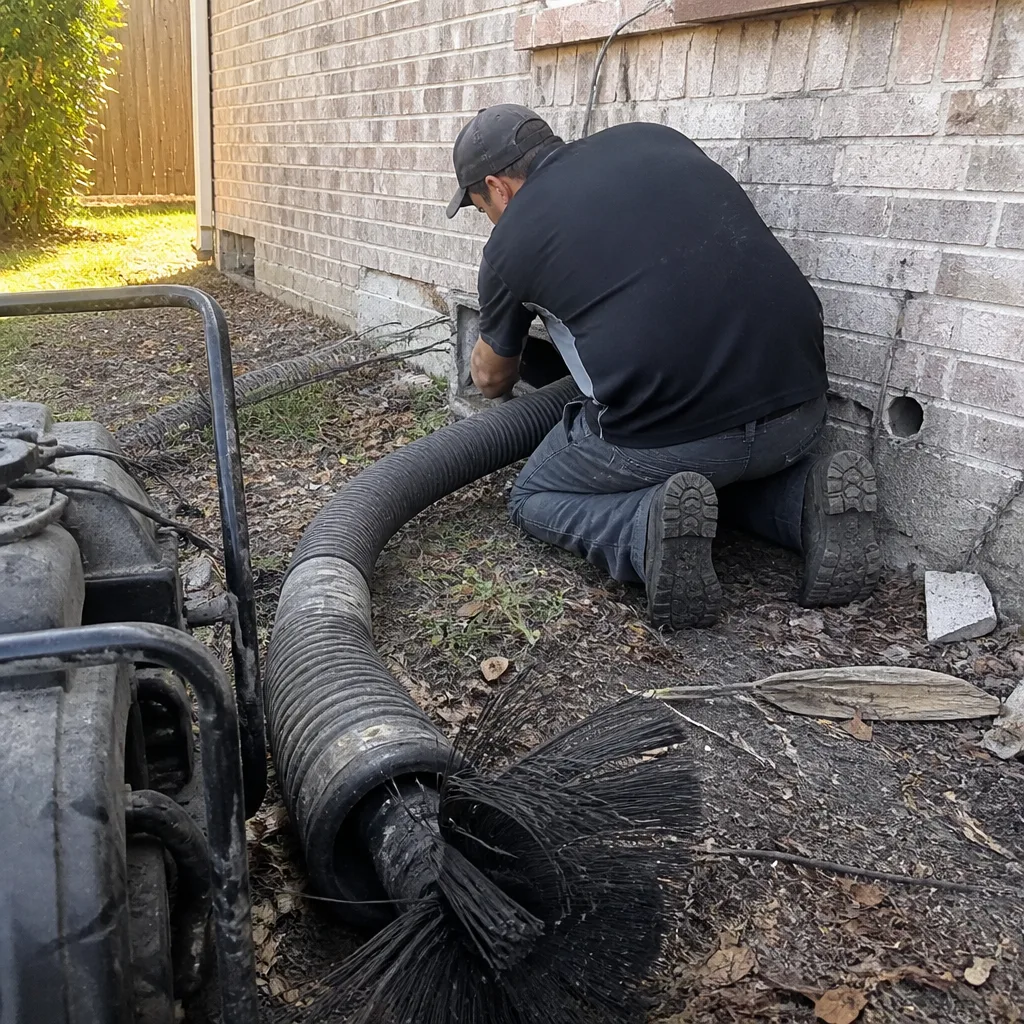 Before
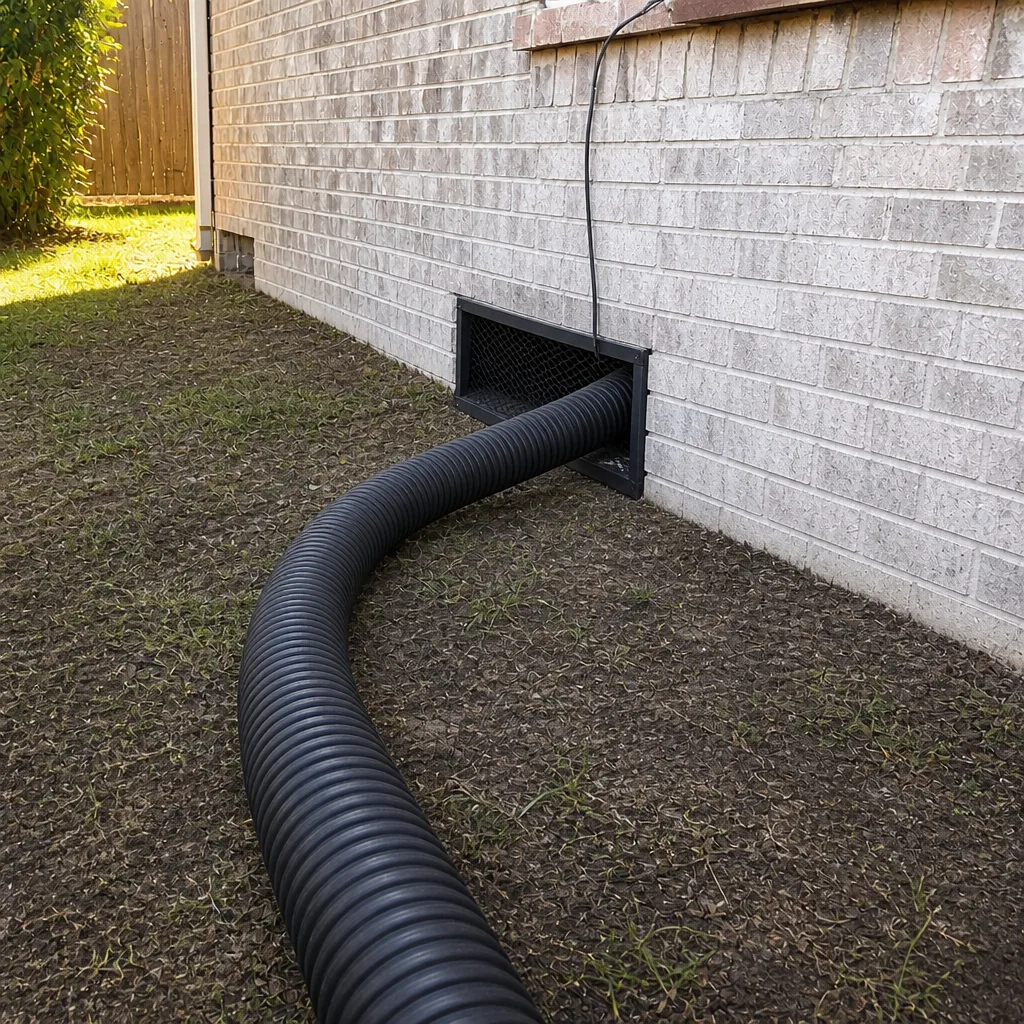 After
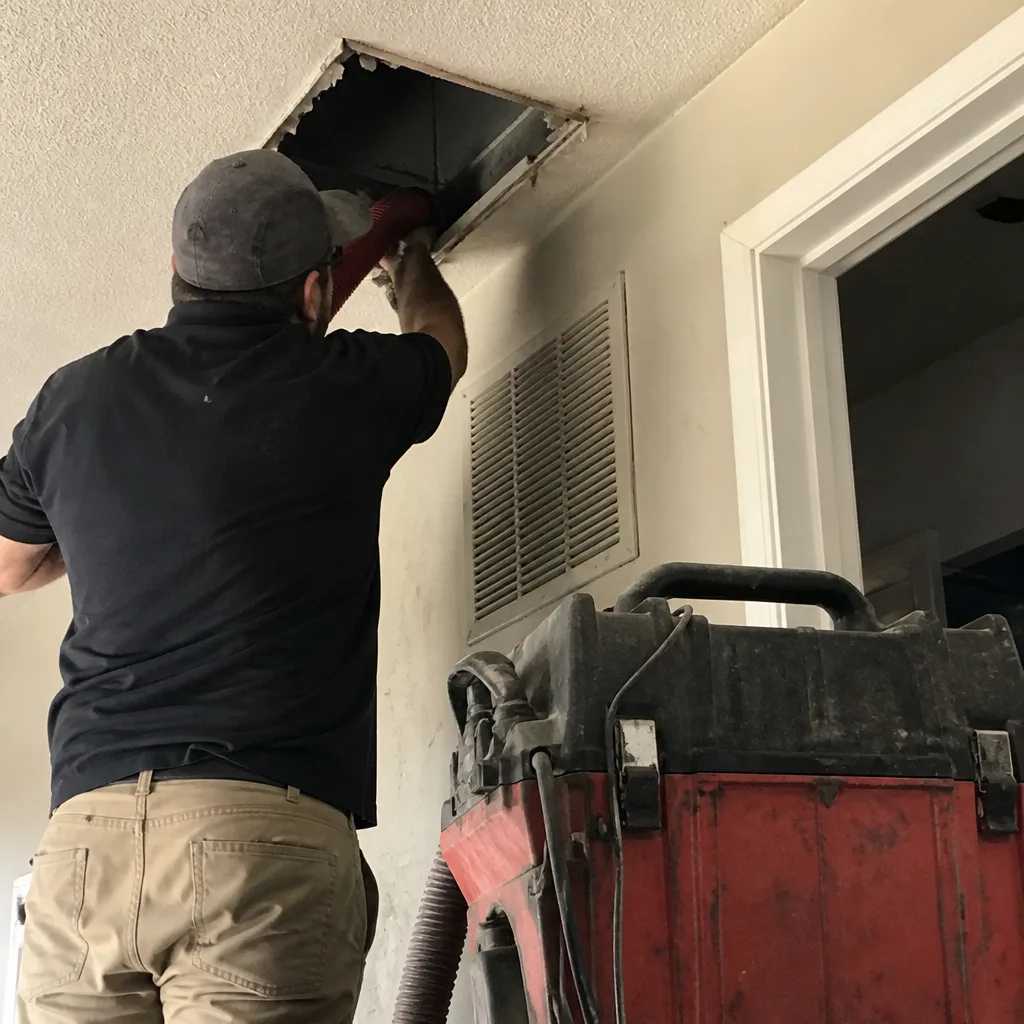 Before
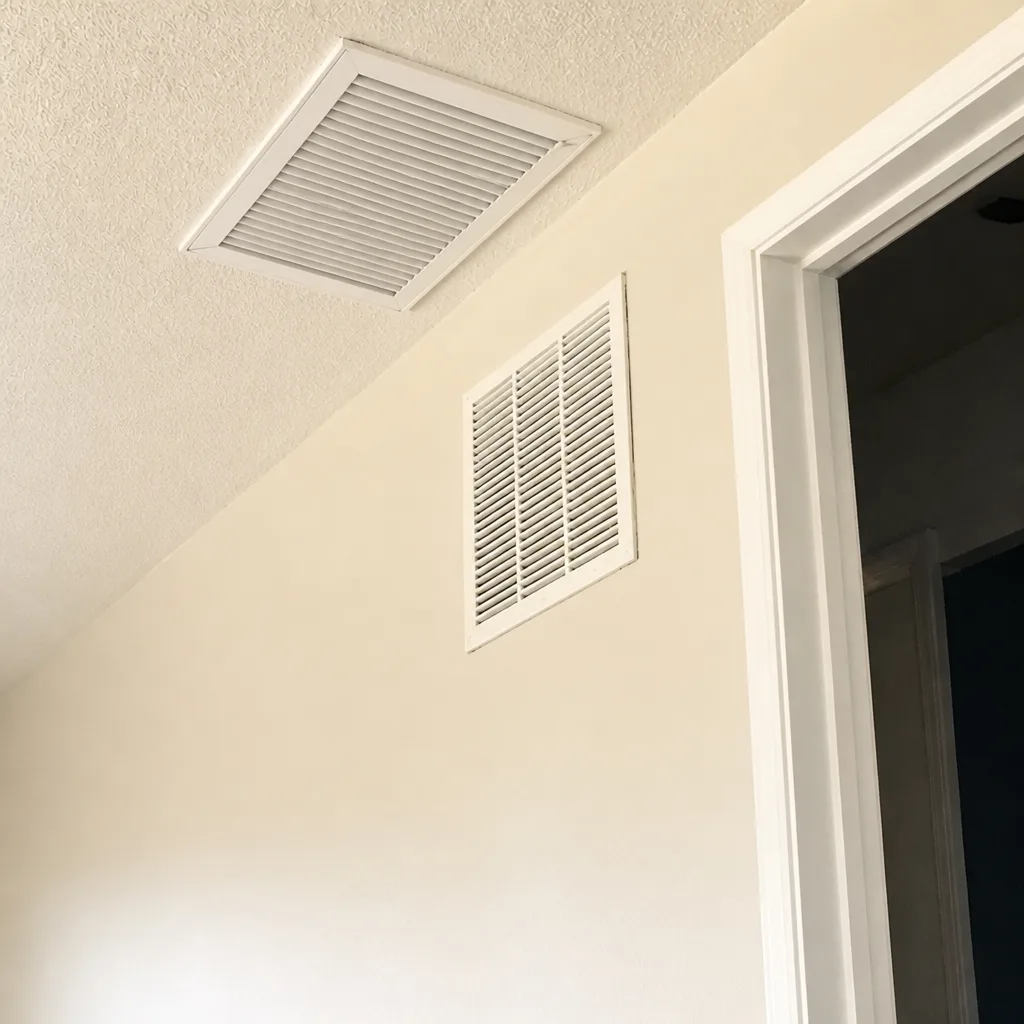 After
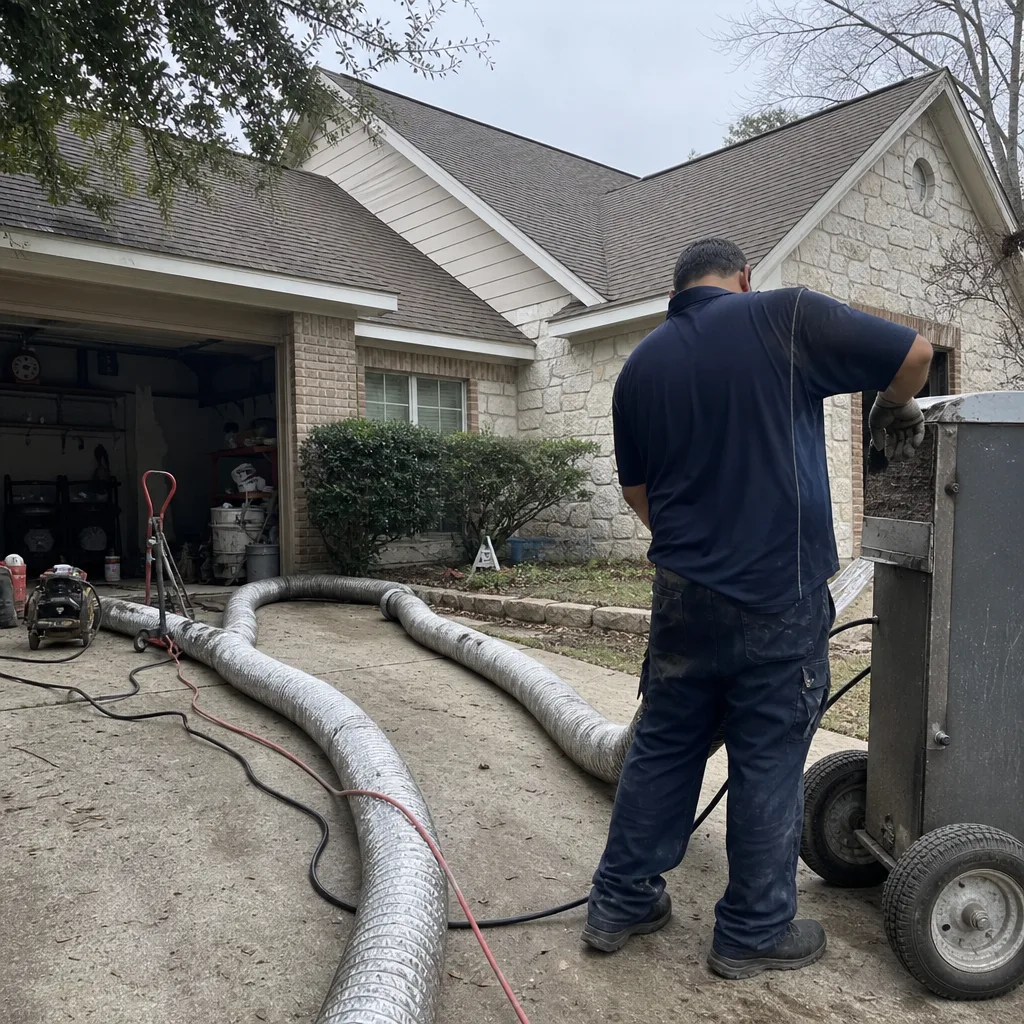 Before
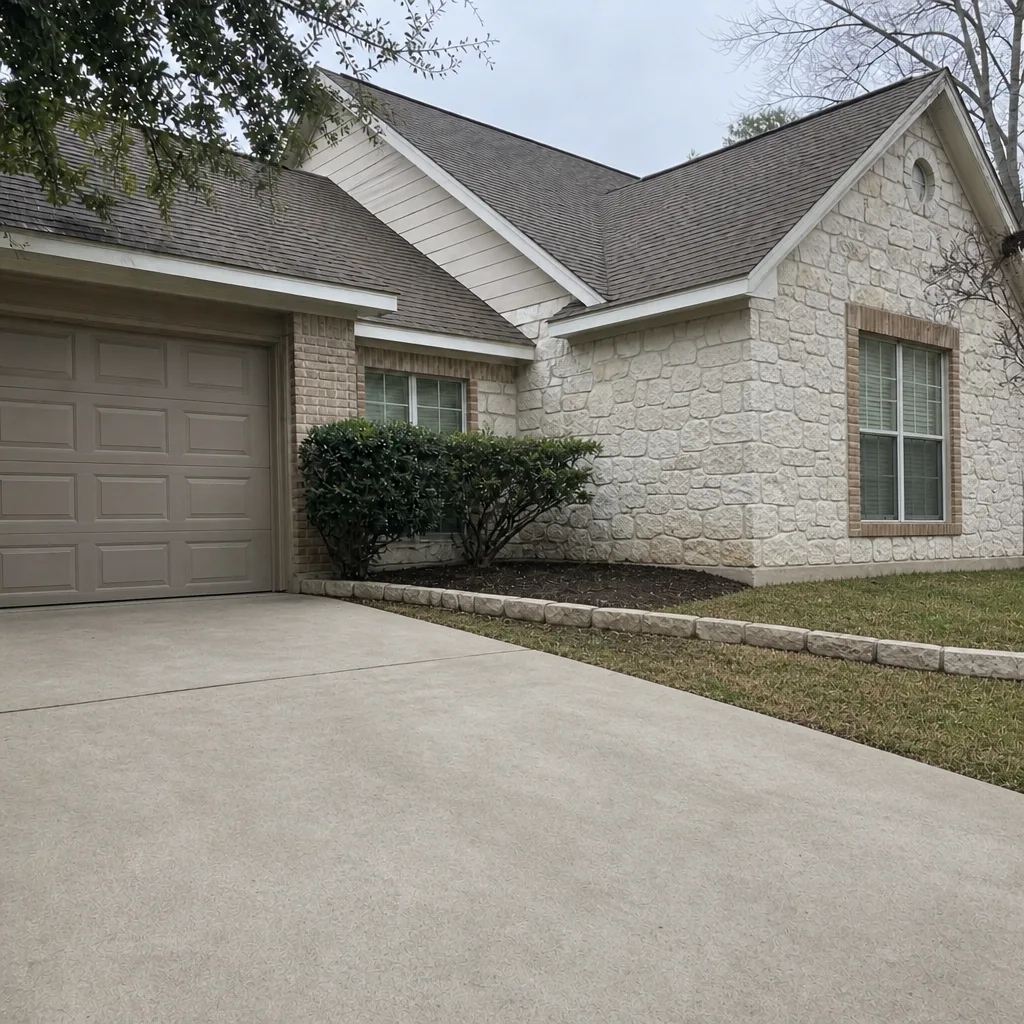 After
When to Call a Professional
Call a professional when the scope involves anything more than cleaning. That means: a visible crushed or disconnected duct run, a return that’s pulling from a wall cavity, a system that short-cycles even after a filter change, or a dryer vent that’s been in place through multiple appliances without service. Call before the work starts, not after, because the permit question is easiest to answer up front. Call also if you’re preparing to sell a College Station home and don’t know whether prior duct work was permitted, since a pre-listing assessment is far cheaper than a closing-table surprise. Bedrock Air Duct Cleaning offers free estimates in College Station. Call (833) 588-6184. Our technicians have up to 10 years of experience, and we separate cleaning scope from repair scope clearly so you know exactly where the code line sits for your house.
Frequently Asked Questions
No. Routine air duct cleaning of an existing system does not require a permit in College Station, because cleaning is maintenance and doesn’t alter the mechanical system. A permit becomes relevant when the scope includes replacing duct runs, reconnecting ductwork at the air handler, or changing the system’s configuration, which falls under the Texas State Mechanical Code and local permitting through Development Services. Call (833) 588-6184 if you’re unsure which category your job falls into; estimates are free.
Replacing duct sections, adding or relocating registers or returns, reconnecting ductwork at the air handler or plenum, and any reconfiguration of the system’s layout all trigger a mechanical permit. Sealing existing joints and cleaning an intact system typically don’t. The distinguishing question is whether the work changes the system as built or restores it. When in doubt, ask your contractor to categorize the scope in writing.
Ask for the permit number in writing, then confirm it through City of College Station Development Services. Check three things: that the permit address matches your property, that the scope description matches the work being done, and that the contractor knows who handles the inspection. A contractor who does permitted work regularly will produce this without friction. If they can’t produce a permit number for a job that clearly needs one, get a second opinion before signing.
It can. If a claim involves ductwork that was modified without a permit, your insurer may ask whether the work was permitted and inspected, and the absence of a paper trail works against you in a dispute rather than against the contractor who did the work. We can’t speak for any individual insurer’s claims process, but documentation consistently helps and its absence consistently hurts. The safest approach is to know whether your job requires a permit before work starts and keep the record if it does.
They can. Texas seller disclosure obligations require you to disclose known defects and repairs, and unpermitted modifications complicate that in both directions: if you don’t know the work was unpermitted you may disclose in good faith and still face a problem when a buyer’s inspector finds it, and if you do know, you’re disclosing a modification without the inspection record that normally accompanies it. Buyers and their agents treat that as a negotiating point. A pre-listing duct assessment is a cheaper way to find out than a closing-table surprise.
It depends on what the work actually involves. Coating an intact duct interior and sealing leaks at existing connections are typically treated as treatment of the existing system and don’t require a permit. Rebuilding a failed run before encapsulation, or adding ductwork to correct a design problem, does trigger the mechanical permit. Ask the contractor to categorize the scope before quoting, and re-ask if the scope changes mid-job. Call (833) 588-6184 for a free estimate and a clear answer on where your job sits.
The Bottom Line
Cleaning your ducts isn’t a permit event. Changing your duct system is. The line between the two is defined by the Texas State Mechanical Code, enforced locally through City of College Station Development Services, and it becomes relevant the moment a scope includes replacing, reconnecting, or reconfiguring ductwork. Know which category your job falls into before you sign, ask for the categorization in writing, and verify any permit that gets pulled. Keep the paperwork if there is any, because it travels with the house and protects you at claim time and at closing. That’s the whole guide in three sentences, and it’s the difference between maintenance and liability.
Bedrock Air Duct Cleaning works in College Station and treats the scope question as the first conversation, not an afterthought. Professional-grade equipment from Rotobrush and Abatement Technologies handles the cleaning side, and when repair is needed, we separate it out clearly so the permit question gets answered before anyone touches your ductwork. Call (833) 588-6184 for a free estimate. We answer 24/7. Fast dispatch from 7am to 7pm, Sunday through Friday.
Written by the team at Bedrock Air Duct Cleaning.