
Last updated November 15, 2026
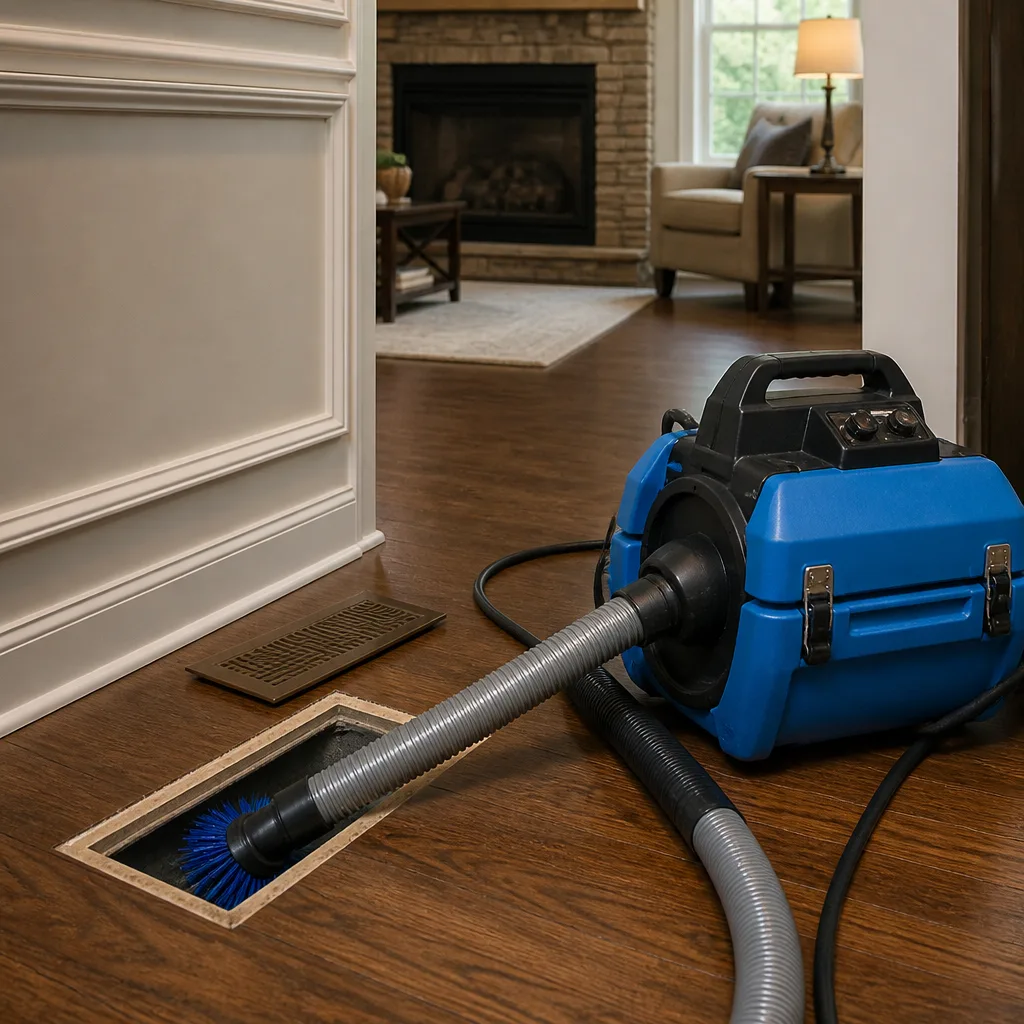 Whole-home duct cleaning
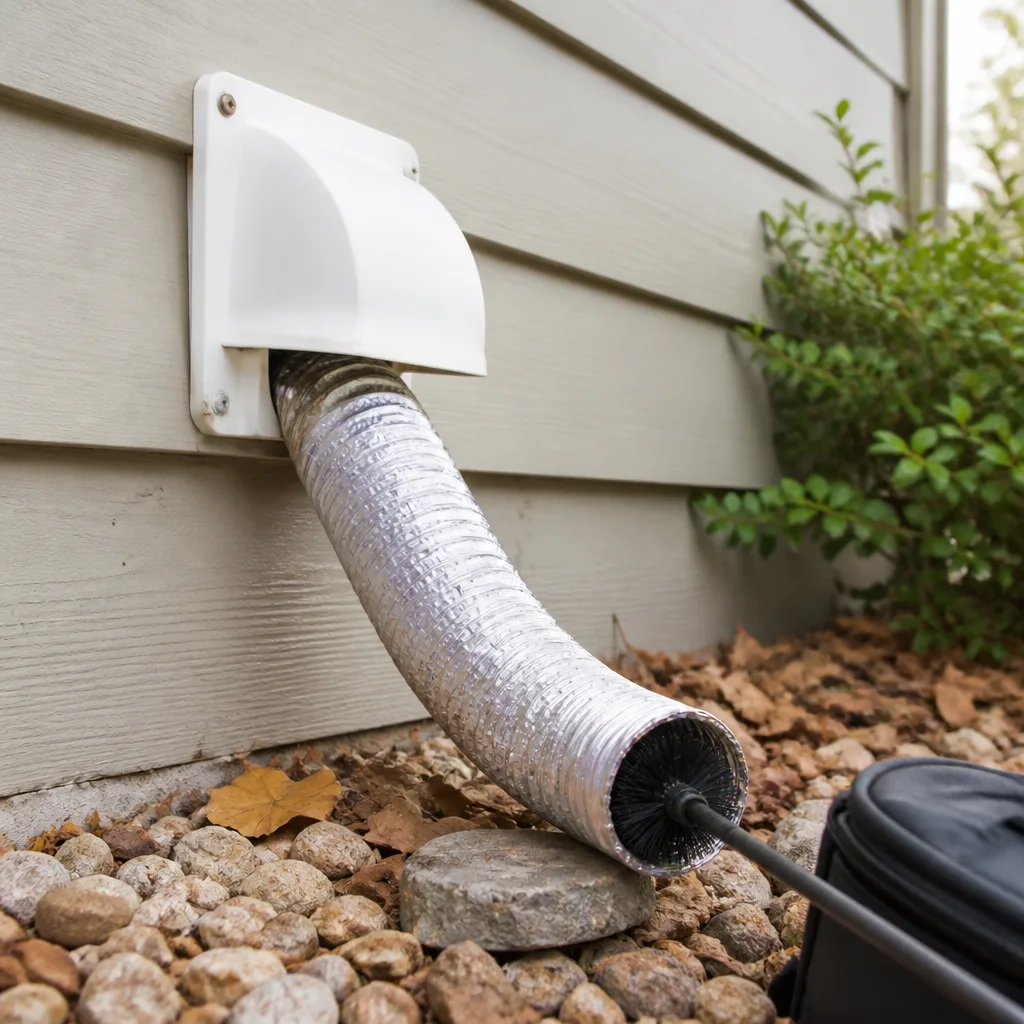 Dryer vent cleaning
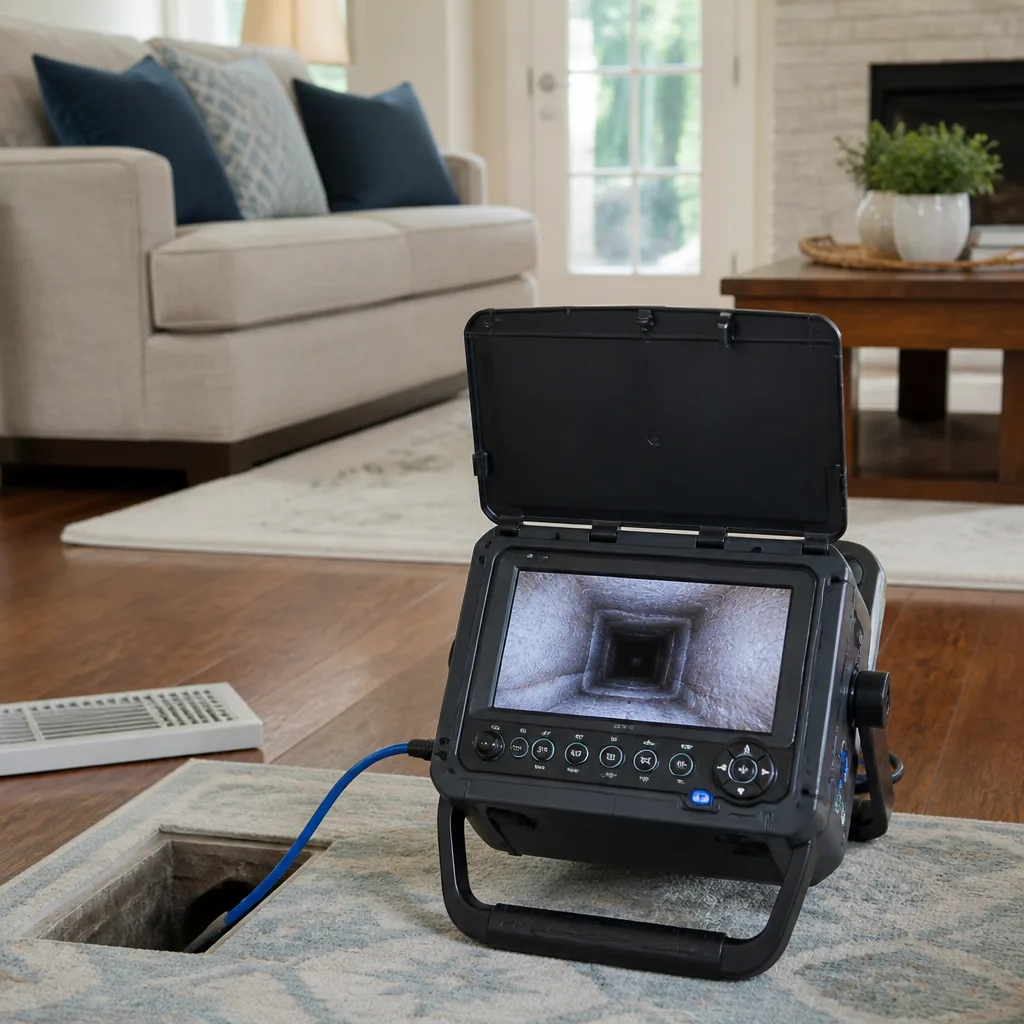 Camera inspection
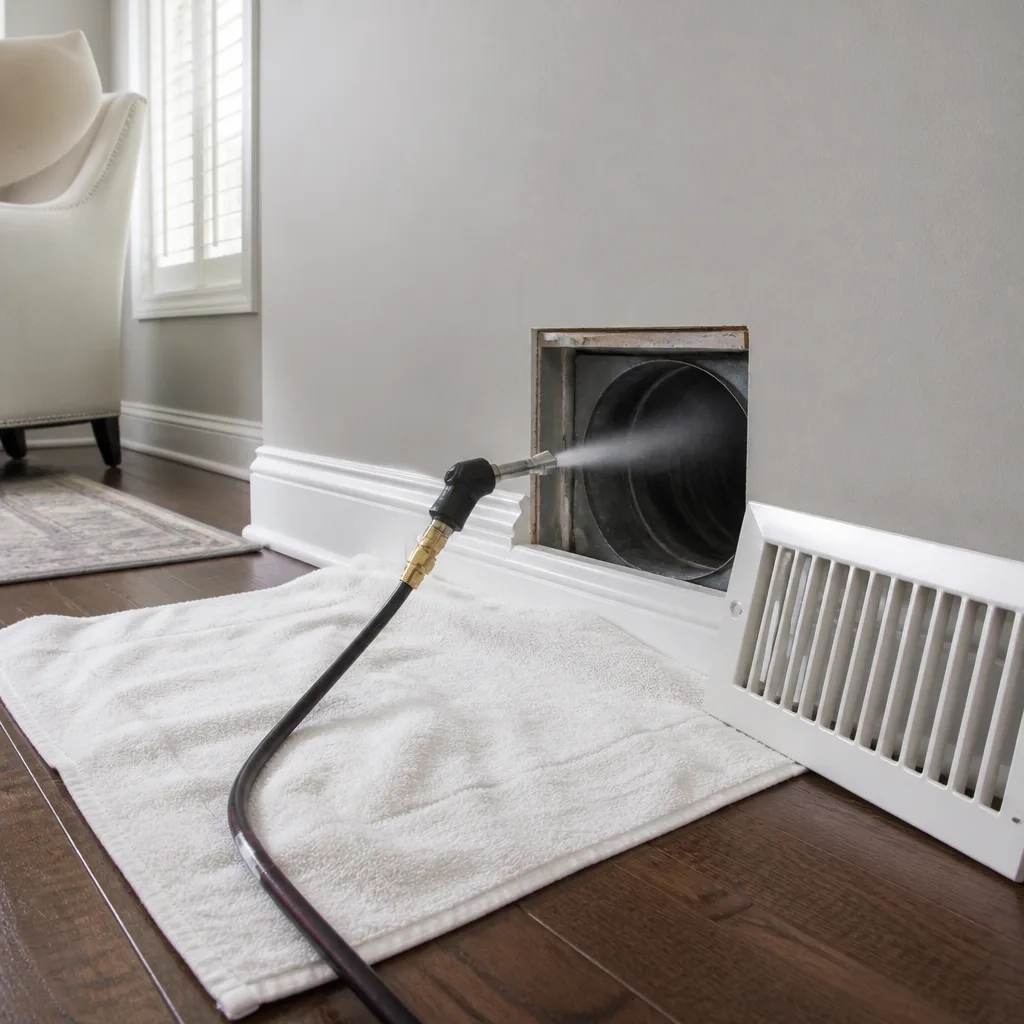 Sanitizing & deodorizing
Whole-system duct and dryer vent check with before-and-after photos - you see exactly what came out of your vents
That "$99 whole-house special" is a bait ad - the real number appears once they are in your hallway, or the "clean" is a shop-vac at the register. We photograph the inside of your ducts before and after instead.
Air Duct Cleaning Troubleshooting in College Station: Common Problems and How to Fix Them
If your home still smells musty two weeks after a duct cleaning, the cleaning didn’t fail. Something upstream of the ducts wasn’t addressed, and this guide shows you exactly where to look. Most “duct problems” homeowners describe to us aren’t duct problems at all. They’re a wet evaporator coil, a sagging flex run, an unsealed boot, or a return path pulling air from a crawl space or garage. Throwing another vacuum pass at a mechanical fault wastes money and changes nothing. What follows is a diagnostic approach: how to read the symptoms, narrow the source, and decide whether you need re-cleaning, a repair, or service on a component that isn’t the duct at all. We’ll walk through the checks a technician actually runs in College Station homes before a single tool comes off the truck.
Quick Answer
Most recurring air duct problems in College Station trace back to one of four sources: a wet or dirty evaporator coil and drain pan, a breach or unsealed connection in the duct system, a collapsed flex duct run, or debris that was never fully extracted in the first place. A proper diagnosis checks all four before cleaning, because re-cleaning a system with a breach or a wet coil only buys you a few months. The fix is usually repair or component service first, mechanical cleaning second.
Styles & brands we work with
- Whole-home duct cleaning
- Dryer vent cleaning
- Camera inspection
- Sanitizing & deodorizing
Table of Contents
- Why your ducts still smell after cleaning
- Signs a duct cleaning was incomplete
- Why debris comes back within months
- How to spot a collapsed flex duct
- What a pressure drop across a register tells you
- Re-clean, seal, or repair: choosing the right fix
- Dryer vent problems that mimic duct problems
- Common mistakes to avoid
Why Your Ducts Still Smell After Cleaning
A musty smell that returns after a cleaning almost never lives in the ducts themselves. It usually lives in one of three places, and each one has a different signature. Knowing which one you have saves you from paying for a cleaning you don’t need.
The first candidate is the evaporator coil. The coil sits wet for much of the cooling season in College Station, and a damp coil with dust on it becomes a growth surface. The smell from a dirty coil tends to be strongest right at the supply registers when the system first kicks on, then fades as air moves. If the odor pulses with the cooling cycle rather than sitting constant, look at the coil first.
The second candidate is the drain pan and condensate line. Standing water in a pan that isn’t draining properly creates a sour, swampy smell. You’ll often notice it near the air handler closet or wherever the indoor unit sits, and it tends to be worse on humid days. A pan that’s slow to drain is a mechanical problem, not a duct problem.
The third candidate is duct liner. Some duct systems are internally lined with acoustic insulation, and that liner can hold moisture and odor if the system has been running wet or if there’s a breach letting humid attic air in. Liner odor has a flat, dusty, almost papery quality and doesn’t track the cooling cycle as neatly as coil odor does.
- Coil odor: strongest at startup, fades as air moves, tracks the cooling cycle.
- Drain pan odor: sour or swampy, concentrated near the air handler, worse in high humidity.
- Duct liner odor: flat and dusty, doesn’t pulse, often worse in rooms closest to a breach.
When we troubleshoot odor in College Station, we check the coil and pan before we touch the ducts. If the source is upstream, cleaning the ducts won’t fix it, and we tell homeowners that plainly. Our air duct cleaning work starts with that diagnosis because a cleaning done over a wet coil is money spent on the wrong problem.
Signs a Duct Cleaning Was Incomplete
Most complaints about a “bad cleaning” come down to a few observable signs. None of them require special tools to spot. If you see any of the following after a cleaning visit, the job wasn’t finished, and the cause is usually equipment. A single blower-and-vacuum pass with a shop-vac-grade machine doesn’t create enough agitation or negative pressure to pull adhered debris off duct walls. That takes mechanical brushing and remediation-class extraction, which is the difference between surface dusting and a real cleaning.
- Visible dust on register grilles and diffusers. A complete cleaning includes wiping the supply and return covers. If they’re still caked, the source wasn’t addressed.
- Debris visible inside a boot or at the register neck. Shine a light up into the register opening. A clean boot is clean all the way to the throat of the duct.
- Dust puffing out of a register on startup. That’s a sign material was loosened but not extracted, which is worse than leaving it settled.
- No before-and-after photos. A professional crew documents what it pulled out of your system. If you weren’t shown the condition of your own ducts, ask why.
- Uneven airflow room to room after the visit. If some rooms improved and others didn’t, the cleaning may have missed a branch, or a damper may have been left closed.
Equipment matters here. We run Rotobrush and Nikro mechanical cleaning systems, and we pair them with Abatement Technologies negative-air and HEPA equipment so loosened debris gets captured rather than redistributed through the house. That combination is what a complete extraction actually requires. When you’re evaluating a cleaning in College Station, ask what machines the crew uses. The answer tells you a lot about what kind of job you’re buying.
Why Debris Comes Back Within Months
Debris that returns within a few months of a cleaning usually isn’t a frequency problem. It’s a breach problem. Dust and lint don’t just appear in a sealed duct system; they get pulled in from somewhere. If your ducts refill quickly, the question isn’t “when should I clean again,” it’s “where is air entering the system that shouldn’t be.”
The most common culprits are unsealed boot connections, gaps at duct joints, and disconnected flex runs in the attic or crawl space. A boot is the fitting where the duct meets the register. When the boot isn’t sealed to the drywall or subfloor, the system pulls air from the wall cavity or attic every time the blower runs. That air carries insulation fibers, dust, and whatever else is sitting in that void, straight into your supply air.
You can often spot the signs yourself before calling anyone:
- Dust streaks or darkened areas around a register or light fixture, which suggest air movement behind the drywall.
- Rooms that smell different from the rest of the house, especially near exterior walls.
- Insulation fibers or grit on horizontal surfaces below a register.
- Higher-than-usual dust on the return filter, suggesting the system is pulling from unconditioned space.
If debris returns fast, the right move is a diagnostic inspection before another cleaning. A crew that seals a breach and then cleans is doing a fundamentally different job than one that cleans and leaves the opening in place. If you suspect a breach, the fix may be Bedrock Air Duct Cleaning work that includes repair rather than a repeat visit.
How to Spot a Collapsed Flex Duct
Hot and cold spots are the classic symptom homeowners blame on dirty ducts. Sometimes they’re right. Often they’re not. A collapsed flex duct run pinches off airflow to a room just as effectively as a blockage, and cleaning won’t reopen it. Flex duct is corrugated, and in an attic that sees significant temperature swings during a Texas summer, it can kink, sag, or partially crush under its own weight or a poorly placed support strap.
Here’s how to tell a collapse problem from a dirt problem:
- Check airflow at the register with a tissue or your hand. Weak but steady flow across all registers suggests a fan or filter issue. One weak register with strong airflow everywhere else points to a problem in that branch.
- Compare room temperature with the thermostat set point. A room that’s consistently a few degrees off after a long run cycle has an air delivery problem in its branch, not a whole-house dirt problem.
- Look at the flex run in the attic if you can safely access it. Visible kinks, sags between straps, or a run that rests directly against framing or another duct are collapse candidates.
- Listen for whistling or a rush at the register. A sharp restriction upstream of the register can produce a hiss as air squeezes through.
Never crawl into a hot attic without proper footing and ventilation, and don’t disconnect duct sections yourself. Flex duct that isn’t reconnected and sealed correctly will leak far more than it did before. If you’re seeing hot and cold spots in College Station, have a technician confirm the branch before anyone assumes the ducts are dirty.
What a Pressure Drop Across a Register Tells You
This is the part of diagnostics most homeowners never see, and it’s the most useful signal in the whole process. A pressure drop across a register is a measurement of how much resistance the air is meeting as it flows from the duct into the room. High static pressure on the supply side, or a big drop between the plenum and the register, tells a technician that something upstream is restricting flow or that the system’s balance is off.
You don’t need a manometer to benefit from the concept. When a technician measures static pressure and finds it elevated, the answer isn’t always “clean the ducts.” A clogged filter, a dirty coil, a collapsed run, a closed damper, or an undersized return can all raise pressure. The measurement separates those possibilities, which is why a real diagnostic visit starts with readings rather than assumptions.
What this means for you: if a company quotes a cleaning without measuring anything, they’re guessing. A reading-driven approach is how a technician determines whether cleaning is even the right remedy. In our experience, a meaningful share of “dirty duct” complaints in College Station homes turn out to be airflow restrictions that cleaning alone won’t fix.
Pressure readings also tell a technician which return side is starved. A single undersized return can cause the system to pull air through gaps in the duct work instead, which loops right back to the breach problem described earlier. Measuring first, then cleaning, is the order that protects your investment.
Re-Clean, Seal, or Repair: Choosing the Right Fix
Once you’ve narrowed the symptom, the next step is deciding which fix actually applies. Here’s a practical way to sort it.
- Re-clean when the original cleaning was done with inadequate equipment or didn’t include mechanical agitation, and the ducts are still visibly soiled. The system wasn’t broken; the job was.
- Seal when you’ve confirmed a breach, an unsealed boot, or gaps at joints. Sealing stops the source, but only after the existing debris is extracted.
- Repair or replace a run when a flex duct is collapsed, disconnected, or crushed. Reconnecting or rerouting restores airflow; cleaning can’t.
- Service the coil or drain pan when the smell is upstream and the ducts themselves are fine. This is a different trade, and a good technician will say so.
- Address the return path when airflow is starved or the system pulls from a garage or crawl space. That’s a design fix, not a cleaning fix.
The most expensive outcome is paying for a cleaning that doesn’t address the actual cause. The second most expensive is ignoring a sealed-system problem until it shows up as higher energy bills or persistent moisture. We’d rather tell a homeowner in College Station that they need a repair or a coil service than sell them a cleaning that won’t hold. Honest diagnosis is the whole point of doing this work with professional-grade equipment rather than a coupon crew.
Dryer Vent Problems That Mimic Duct Problems
Here’s a troubleshooting habit worth building: when airflow feels weak or a room runs hot, don’t rule out the dryer vent. Lint buildup in a dryer vent is a documented fire hazard, and a blocked vent can also cause the dryer to overheat, run long cycles, and push warm, humid air back into the laundry area. Homeowners sometimes read that as an HVAC problem when the real issue is a clogged vent.
Signs that your dryer vent, not your ducts, is the problem:
- Clothes take noticeably longer than they should to dry.
- The dryer itself feels hot to the touch on top or at the door.
- The laundry room feels humid after a cycle, or you notice condensation.
- The exterior vent flap doesn’t open fully or stays stuck.
- You smell a faint burning or lint smell during or after a cycle.
We treat dryer vent cleaning as a dedicated fire-risk service, not an upsell tacked onto a duct visit. If you haven’t had the vent cleared in a while, that’s a safety item worth prioritizing. You can read more about how we handle dryer vent cleaning and what a proper vent clearing involves. Lint is fuel, and a vent full of it near a heat source is not something to leave for “someday.”
Common Mistakes to Avoid
- Assuming a smell is a duct problem. A wet coil, a slow drain pan, or saturated duct liner can produce the exact musty odor homeowners expect from dirty ducts, and cleaning any of the three won’t fix it.
- Re-cleaning a system with a known breach. If air is entering through an unsealed boot or a gap in the attic, the ducts will refill, and another cleaning just repeats the cycle in College Station homes.
- Buying a cleaning without any measurements. A quote given without checking static pressure, coil condition, and return paths is a guess, not a diagnosis.
- Treating a collapsed flex run as dirt. A crushed duct pinches airflow the same way a clog does, and no amount of vacuuming reopens it.
- Skipping the dryer vent. Homeowners often lump the vent in with the ducts and skip it. It’s the highest safety-priority item in the system, and lint buildup is a real fire hazard.
- Assuming cheap quotes reflect the same work. A single-pass blower job and a mechanical cleaning with remediation-grade extraction are not the same service, even when the invoice looks similar.
- Ignoring airflow changes after a visit. Uneven airflow after a cleaning is a signal, not a coincidence. Follow up before assuming the system “just does that.”
When to Call a Professional
Call a professional when you’ve checked the filter, confirmed the thermostat is calling for the right mode, and the problem persists. Specific triggers: a musty smell that returns within days, dust puffing from registers on startup, one room that never cools or heats with the rest, debris reappearing within a few months of a cleaning, or a dryer that runs long and feels hot. Those symptoms need measurements and a look at the coil, return path, and duct runs, not another guess.
Bedrock Air Duct Cleaning offers free estimates in College Station. Call (833) 588-6184. We answer 24/7. Fast dispatch from 7am to 7pm, Sunday through Friday. A written estimate sets the price before work starts, and we show you before-and-after photos of your own system so you can see what was actually there.
See the difference
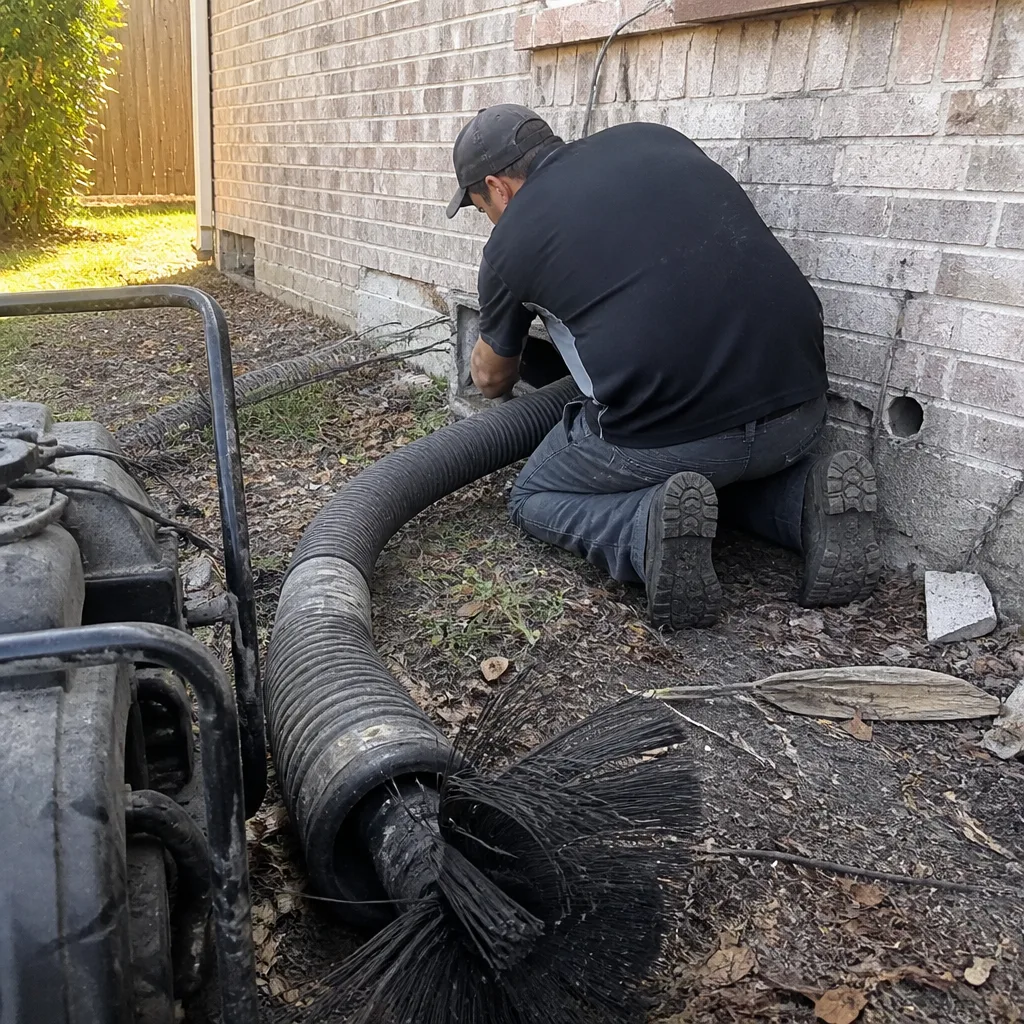 Before
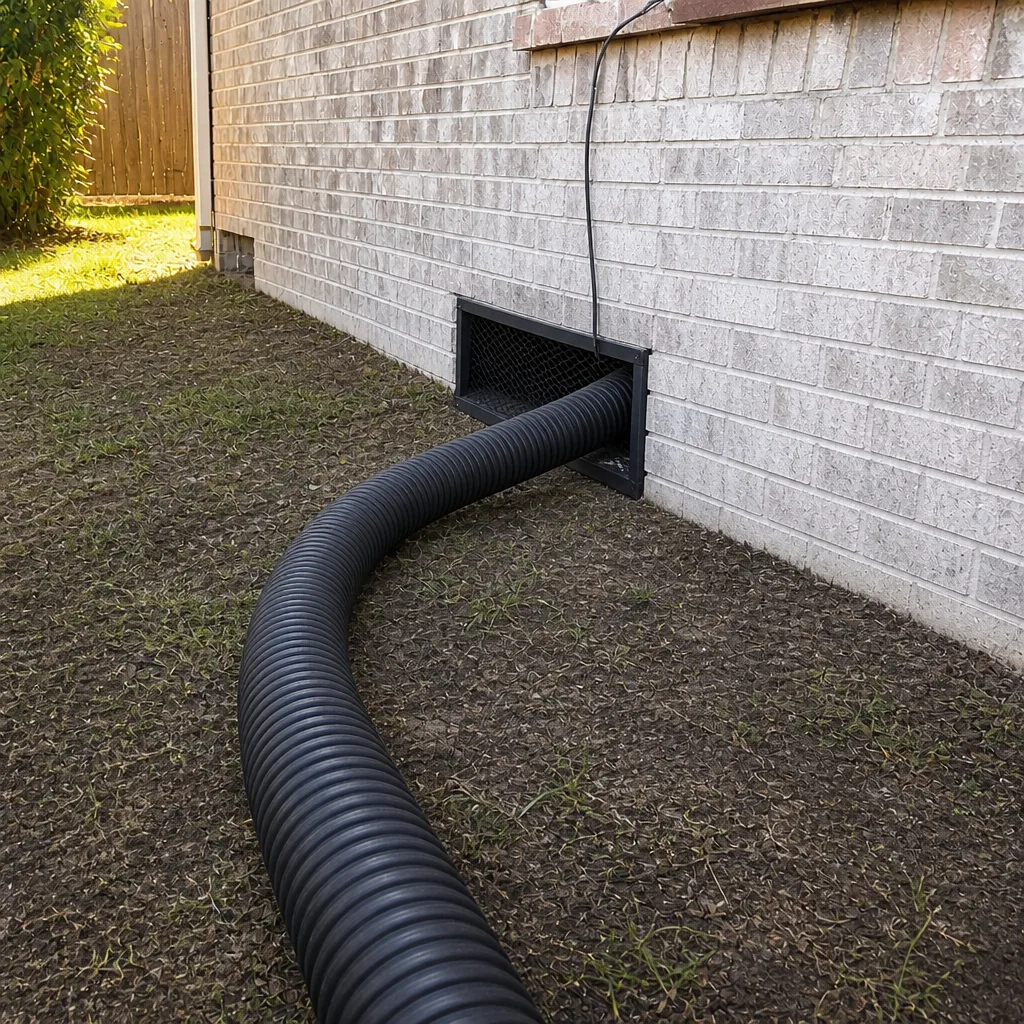 After
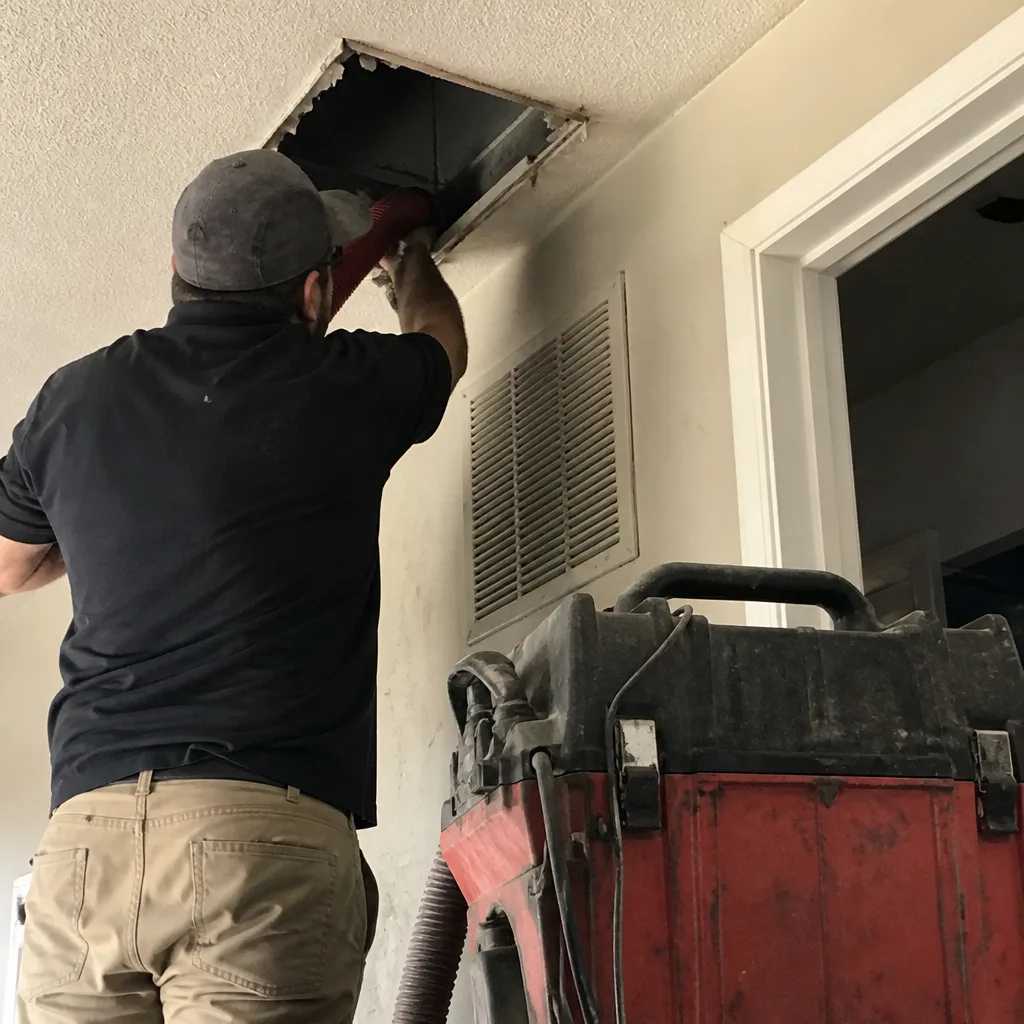 Before
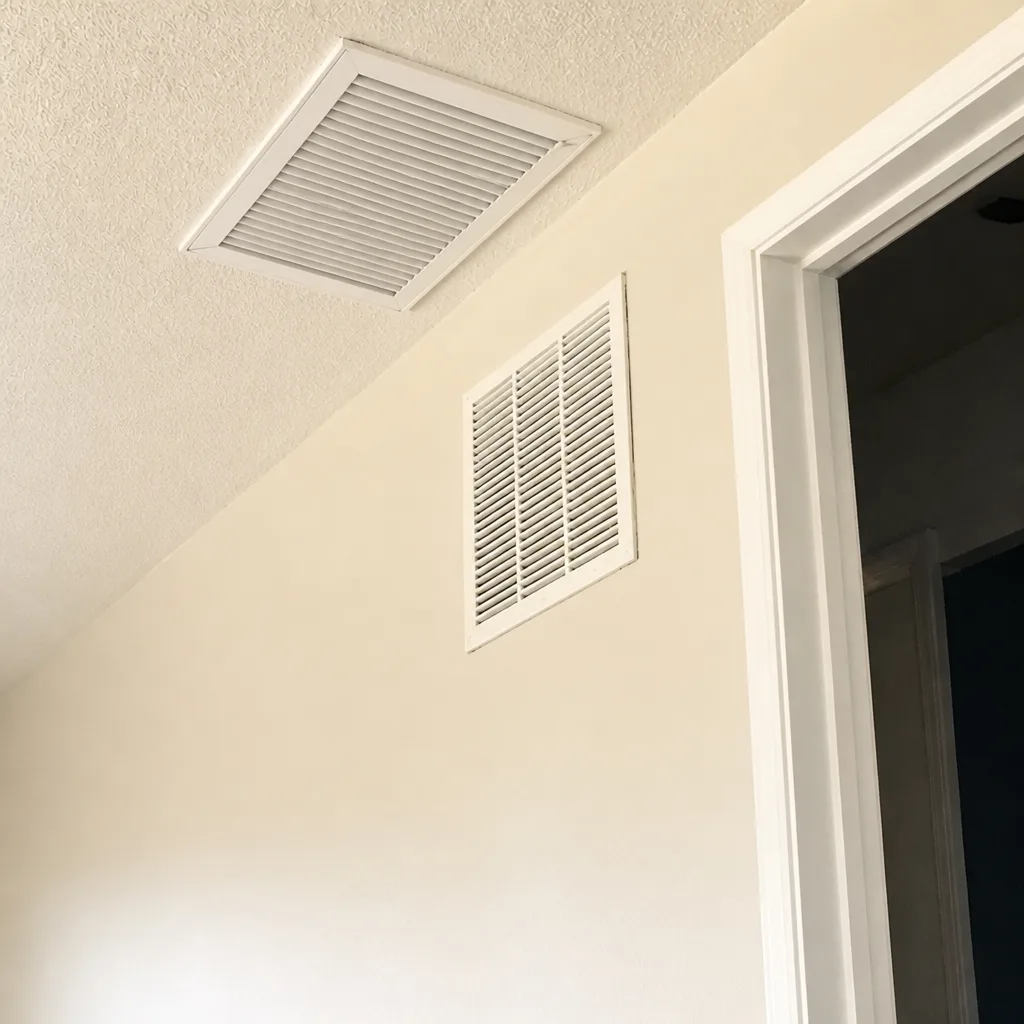 After
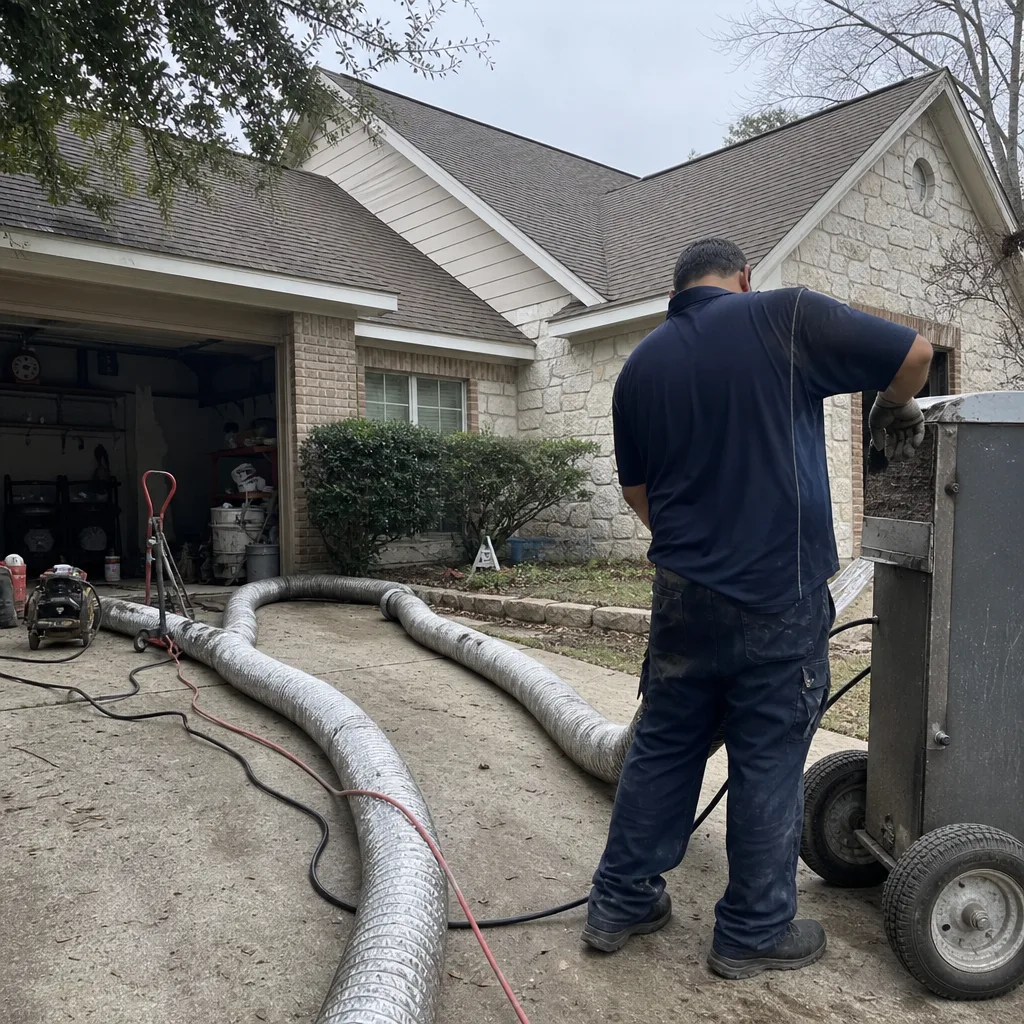 Before
 After
Frequently Asked Questions
Because the smell usually isn’t in the ducts. It’s most often in the evaporator coil, the drain pan, or the duct liner, all of which sit wet during the cooling season in College Station. A cleaning removes surface debris but doesn’t address a wet coil or a slow-draining pan. Call (833) 588-6184 for a free estimate and we’ll identify the actual source before recommending a fix.
Look for before-and-after photos of your own system, wiped registers, and a clear boot at the register throat. If you weren’t shown documentation and dust puffs on startup, the job was likely a single pass without mechanical agitation. Call (833) 588-6184 and we’ll assess what was left behind and what a real extraction would involve.
Fast re-accumulation points to a breach in the system, such as an unsealed boot or a gap at a duct joint, that lets attic or wall-cavity air into the supply. A cleaning without sealing will refill. Call (833) 588-6184 for a free estimate and we’ll check for breach points before recommending another cleaning.
Sometimes, but a collapsed or kinked flex duct is an equally common cause. If one room runs hot while the rest of the house is fine, the branch serving that room is the place to look, and cleaning won’t reopen a crushed run. Call (833) 588-6184 and a technician will confirm which problem you have.
Yes when the system is genuinely soiled and the source of the debris is addressed. Dust, pollen, and humidity during the cooling season all contribute to buildup. Cleaning is worth it when done with mechanical agitation and proper extraction, and when any breach has been sealed first. Call (833) 588-6184 for a free estimate and we’ll tell you plainly whether your system needs it.
Treat it as a separate safety item, not an optional add-on. Lint buildup is a documented fire hazard, and a clogged vent also causes long dry times and overheating. If your dryer feels hot or clothes take too long, call (833) 588-6184 for a free estimate. We treat vent clearing as a dedicated fire-risk service, and it’s worth prioritizing even if your ducts are fine.
The Bottom Line
The most useful troubleshooting habit is asking “where is this coming from” before “who can clean it.” Smells that return after cleaning usually trace to the coil, the drain pan, or the liner. Debris that returns within months usually traces to a breach. Hot and cold spots usually trace to a collapsed flex run. And weakened airflow anywhere in the house is worth checking with measurements, not assumptions. Address the source, then clean with equipment built for the job. If you’re in College Station and aren’t sure which of these you’re dealing with, start with a free estimate and a straight diagnosis.
Ready to Get This Diagnosed Right?
If you’ve read this far and recognize your own symptoms in one of the categories above, the next step is a proper look at the system. Call (833) 588-6184 for a free estimate. We answer 24/7. Fast dispatch from 7am to 7pm, Sunday through Friday. Estimates are free, the price is set per job by the written estimate, and we show you before-and-after photos of your own ducts so you know exactly what the work involved. We use Rotobrush and Nikro cleaning systems, Abatement Technologies extraction equipment, and we understand Honeywell and Aprilaire air-quality components because the duct is only part of the picture. One flat price per system, agreed before work starts. That’s how Bedrock Air Duct Cleaning approaches every job in College Station.
Written by the team at Bedrock Air Duct Cleaning.