
Last updated November 15, 2026
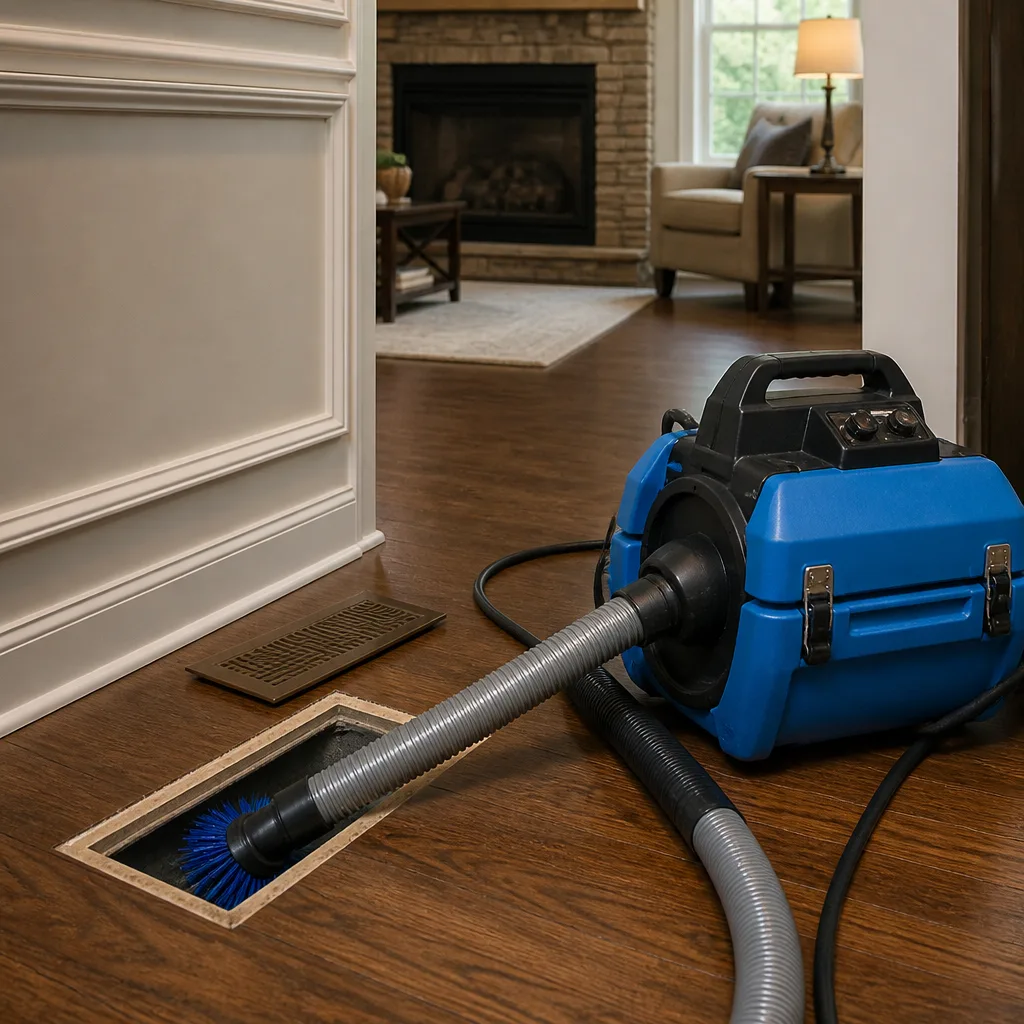 Whole-home duct cleaning
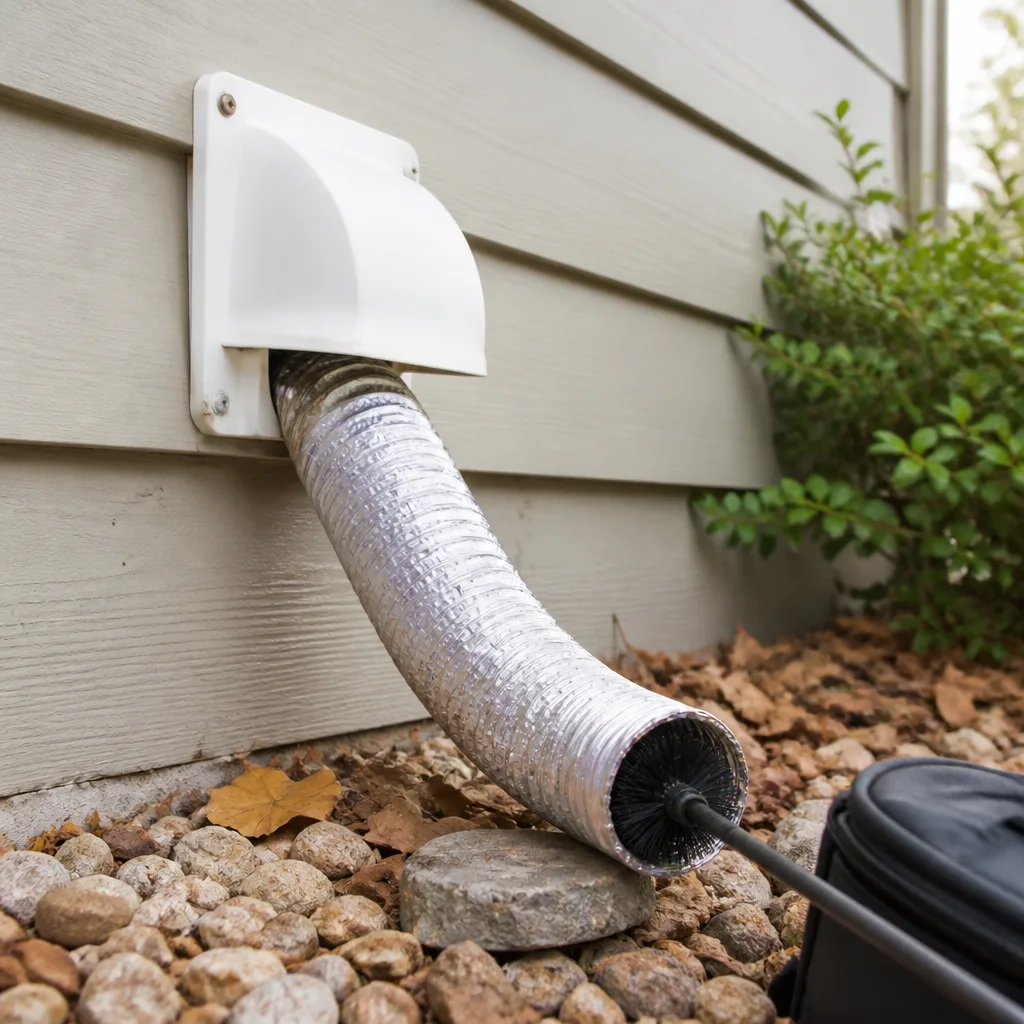 Dryer vent cleaning
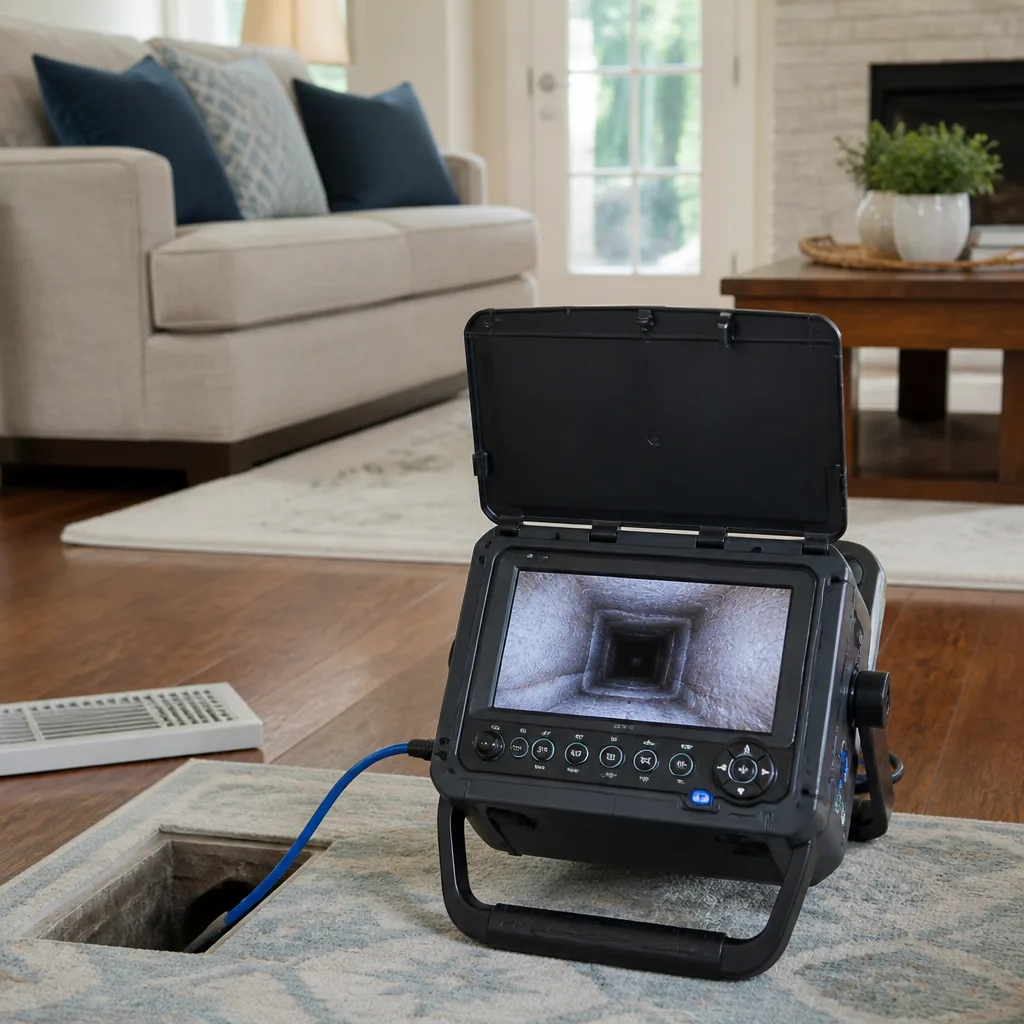 Camera inspection
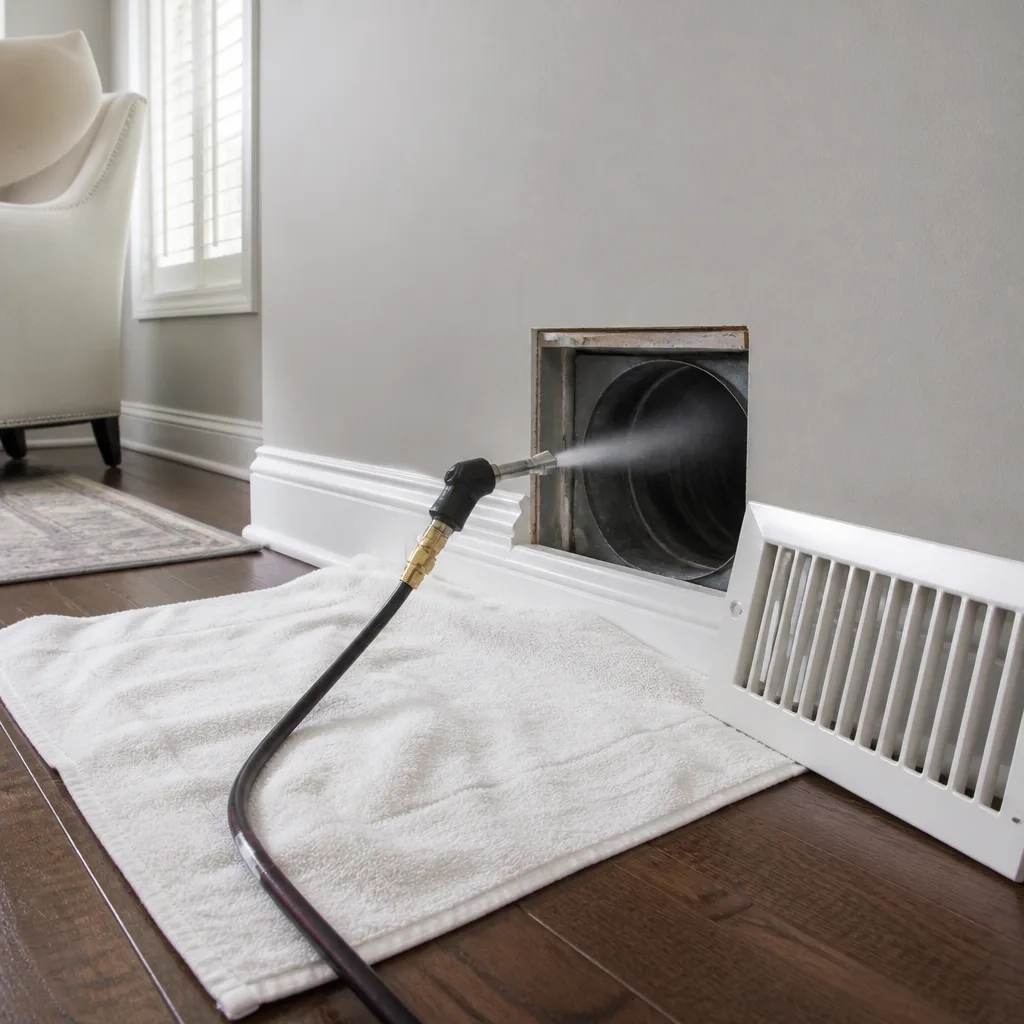 Sanitizing & deodorizing
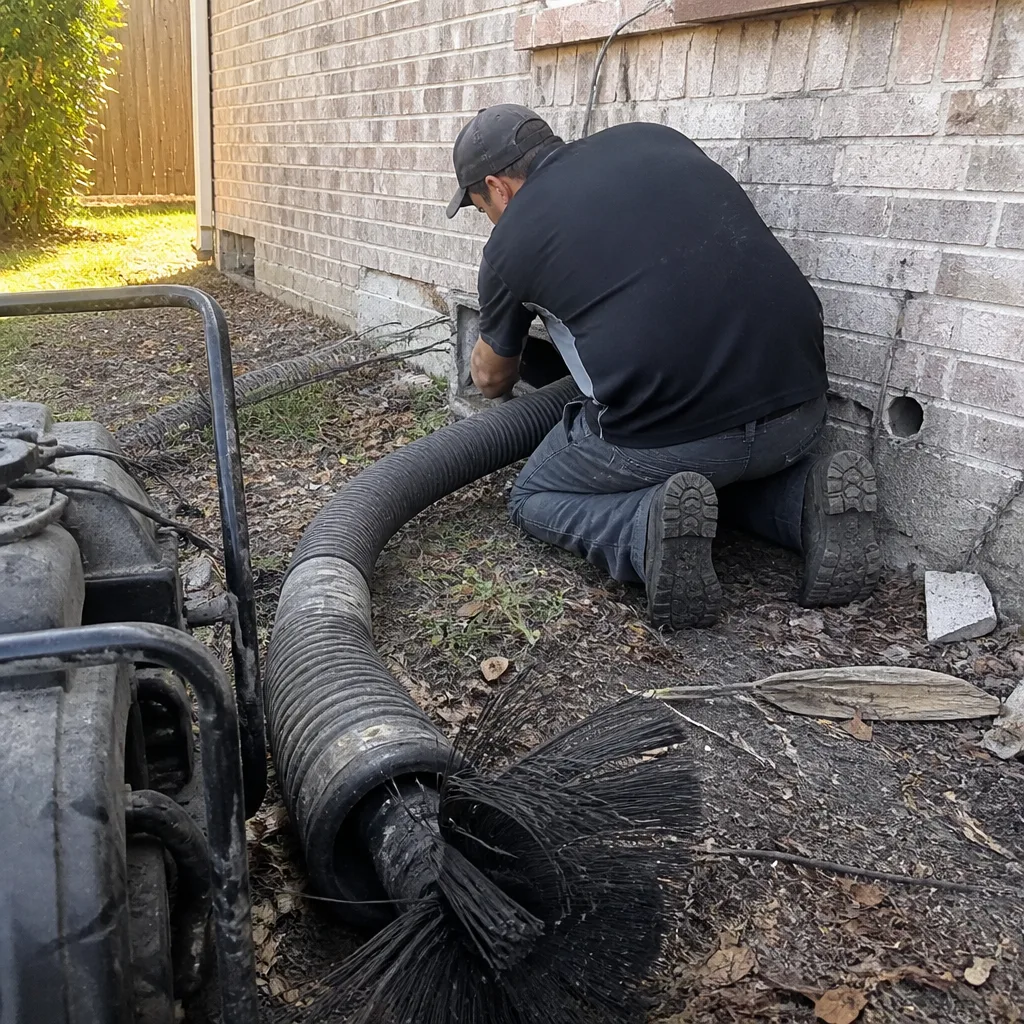
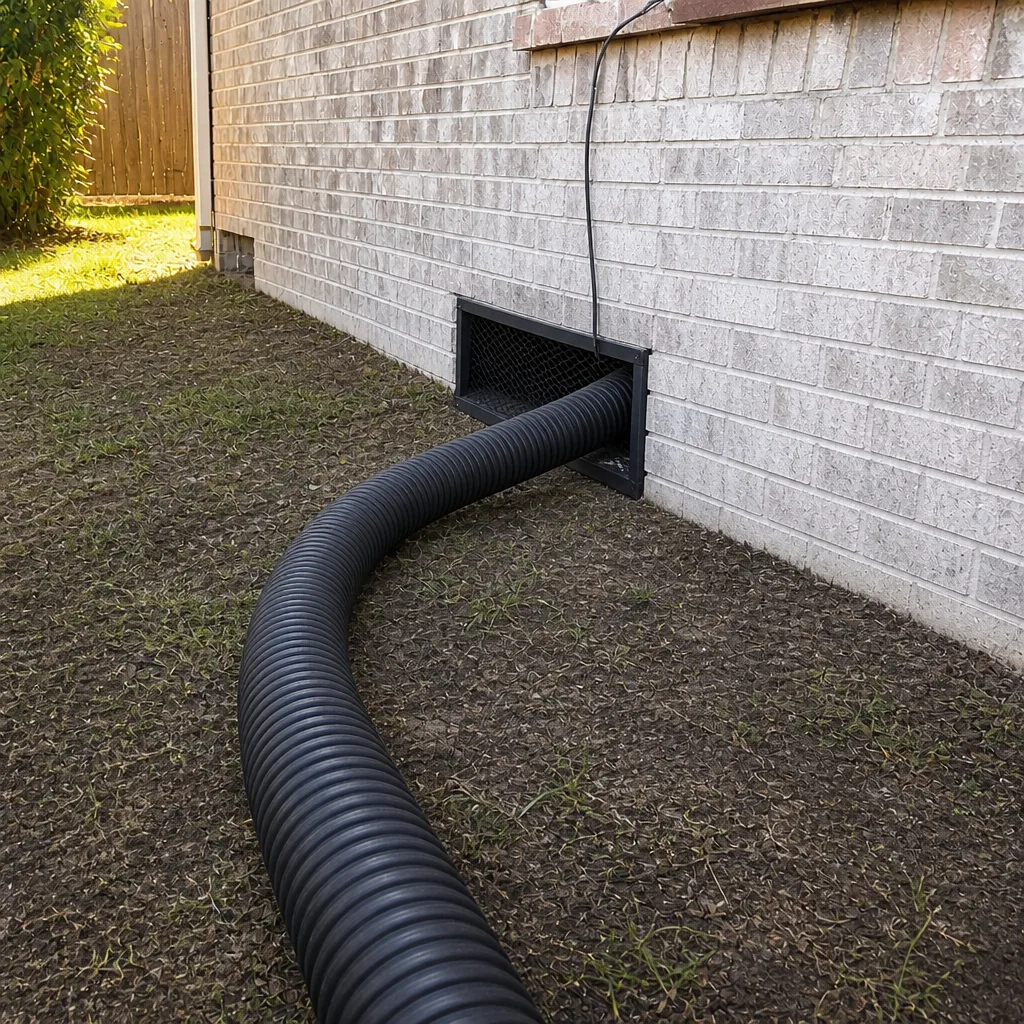
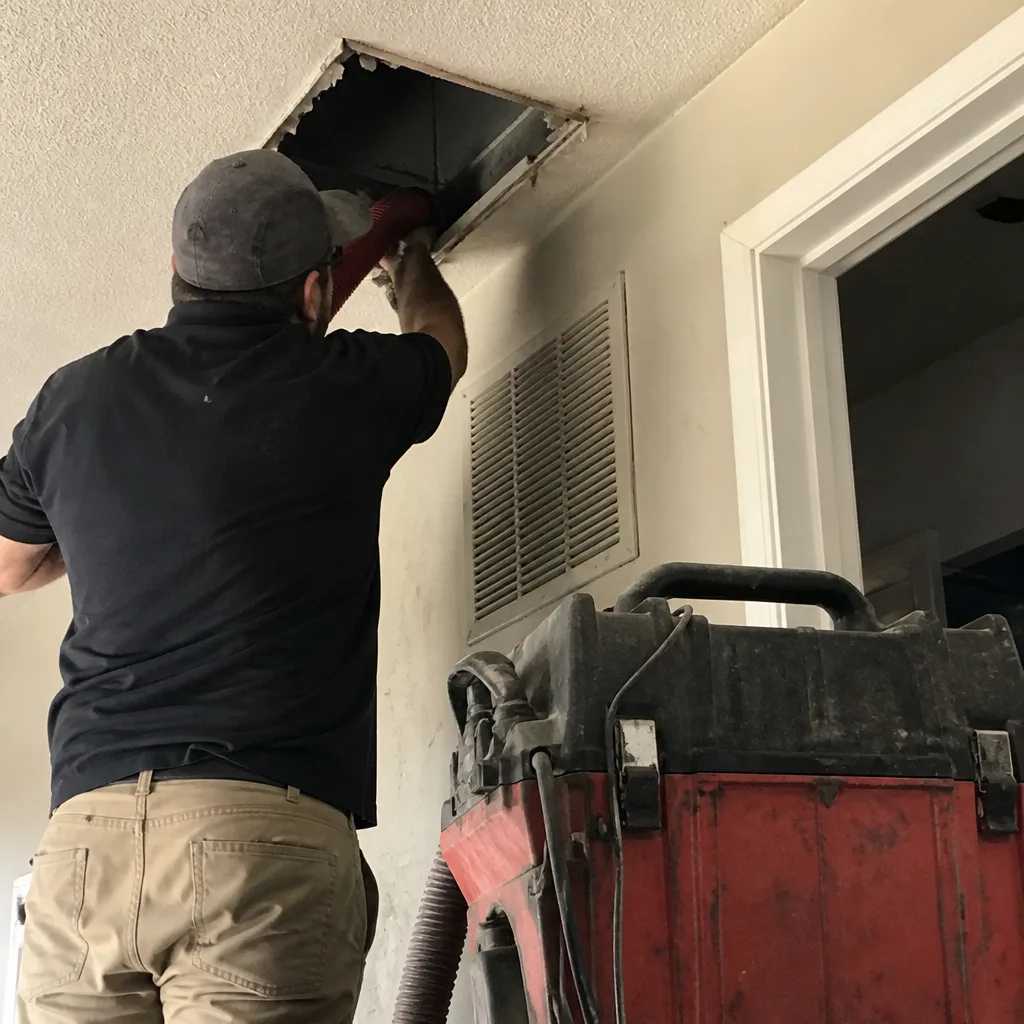
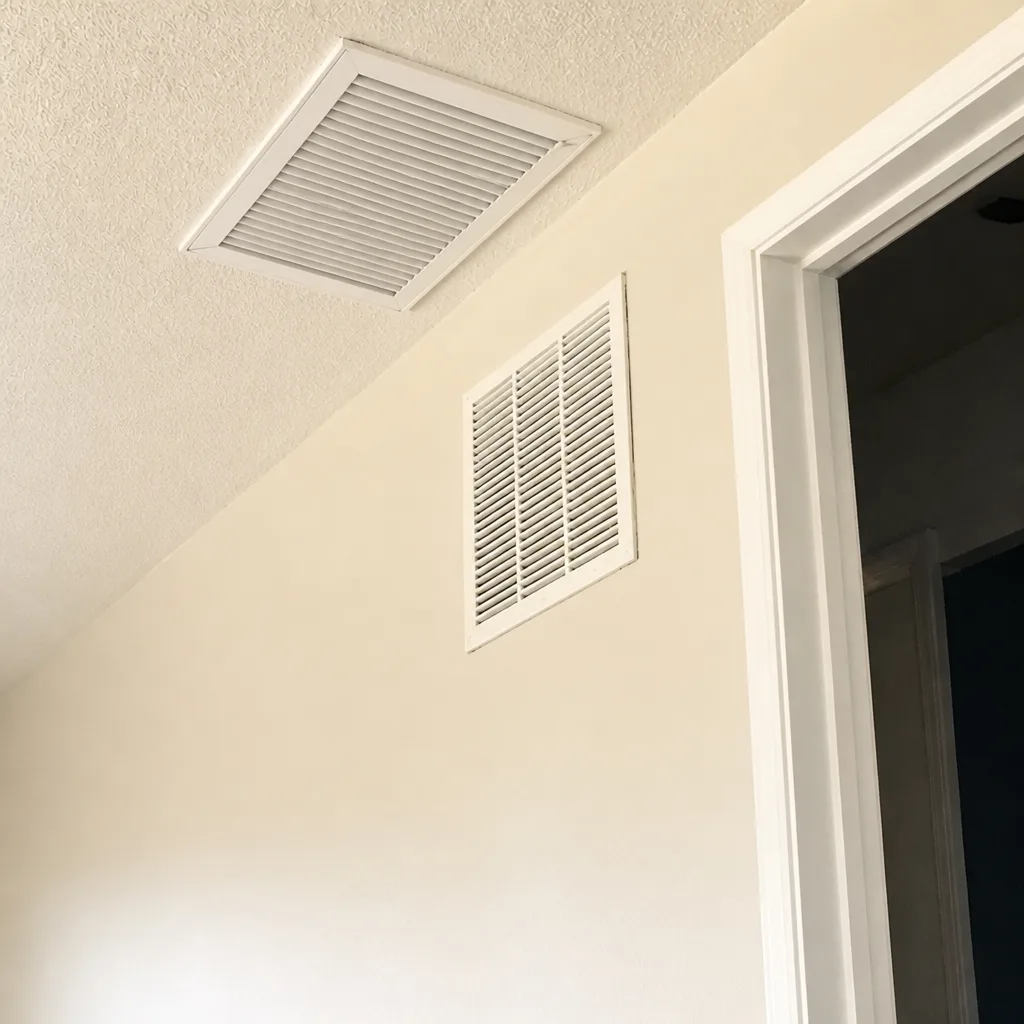
Whole-system duct and dryer vent check with before-and-after photos - you see exactly what came out of your vents
That "$99 whole-house special" is a bait ad - the real number appears once they are in your hallway, or the "clean" is a shop-vac at the register. We photograph the inside of your ducts before and after instead.
Air Duct Cleaning Emergency Preparedness Guide for College Station Homes
Most College Station homeowners treat hurricane season, ice storms and flooding as roof, window and water-damage problems. Ducts rarely make the list. That gap is the problem this guide closes. After Winter Storm Uri, thousands of Texas homes ran their HVAC systems through ducts that had been infiltrated by displaced attic insulation, moisture from burst pipes and mold-active debris, and almost none of those systems got a single inspection, because nobody flagged it as an emergency task. Read on for what to do in the first 48 hours after an event, how to judge whether your ducts need an inspection or a full cleaning, and how to document baseline conditions before a storm so a claim is easier to prove.
Quick Answer
A duct system that has been exposed to floodwater, ice-storm condensation, or blown attic insulation needs an inspection before the HVAC runs again. In most cases a post-event inspection is enough; a full mechanical cleaning is warranted when debris, moisture or visible growth has reached the duct interior. Running the system first spreads contamination through the whole house. Call (833) 588-6184. We answer 24/7. Fast dispatch from 7am to 7pm, Sunday through Friday.
Styles & brands we work with
- Whole-home duct cleaning
- Dryer vent cleaning
- Camera inspection
- Sanitizing & deodorizing
Table of Contents
- What to do in the first 48 hours after a flood event
- How to assess your duct system after an ice storm
- Post-event inspection vs. full remediation cleaning
- Why running the HVAC before an inspection makes things worse
- Pre-storm documentation checklist for homeowners
- How to document duct damage for an insurance claim
- Common mistakes to avoid
- When to call a professional
What to do in the first 48 hours after a flood event
The first two days after any water intrusion into a College Station home are a contamination clock. Mold spores activate in warm, humid conditions, and duct interiors are prime sites for that activity because they hold moisture longer than drywall or wood. What you do in those 48 hours shapes whether you’re looking at an inspection or a full remediation cleaning.
Here’s the order of operations we recommend:
- Turn off the HVAC system and leave it off. Any air moving through wet or debris-filled ducts pushes it into every room.
- Photograph the water line wherever any part of the duct run is exposed – attic, crawl, closet, or under-floor chase. Get the tape measure in the frame.
- Note the date and time water was first noticed in each area, on a single sheet of paper taped inside a kitchen cabinet.
- Do not run box fans into registers or open the ducts to “air them out.” That circulates debris that should be extracted.
- Call for a post-event duct inspection before a general contractor’s crew re-energizes the thermostat.
Hurricane and tropical-storm moisture in College Station is often accompanied by high humidity that lingers for days. That’s the window where a clean, dry duct system stays a clean, dry duct system, and a borderline one tips into contamination. Insulation that has been wetted inside the duct exterior or along the attic run loses its ability to dry on its own. So do the flexible joints and any interior liner. None of this shows up as obvious water in the living space, which is why so many homes finish a flood recovery without ever addressing the ducts.
How to assess your duct system after an ice storm
Ice storms in the Brazos Valley bring a different set of duct risks than flooding does. The typical problem is not water entering from outside; it’s condensation forming on cold duct surfaces and insulation being disturbed in the attic. Winter Storm Uri illustrated both. Many College Station attic runs were exposed to freezing temperatures, and when a system inside a Texas home without a dedicated conditioned attic sits at 25 or 30 degrees for days, condensate can form on duct exteriors, around seams, and on any metal components. When that moisture warms and re-evaporates, it leaves behind damp organic material for mold to feed on.
Separately, ice loading on trees and roof damage can push insulation batts against, over, or off attic ductwork. That’s more than a cosmetic issue: displaced insulation means the duct system loses R-value and becomes an entry point for fiberglass and other debris whenever the HVAC runs. Inspect for the following after any significant ice event:
- Insulation batts pushed against or resting on top of duct runs in the attic
- Visible condensation, streaking or dark staining on the duct exterior or at joints
- Sagging flex duct segments that have lost their internal support
- Loose, detached or torn connections at the plenum, boots and branch takeoffs
- Debris or insulation dust around the return air plenum and filter slot
Any of these alone is a reason for a post-event inspection. Two or more together usually warrant a full mechanical cleaning with professional extraction. Our technicians have up to 10 years of experience on these exact conditions. What we don’t do is guess from the outside; extraction-grade equipment like Rotobrush and Nikro mechanical cleaning systems lets us see what a shop vacuum never will.
Post-event inspection vs. full remediation cleaning
College Station homeowners often assume the choice is between doing nothing and having the ducts cleaned. In practice there are three outcomes after a weather event, and knowing which one you’re facing keeps you from paying for a service you don’t need or skipping one you do.
Post-event inspection is a visual and mechanical assessment of the duct system interior using camera access at key points. It confirms whether debris, moisture or biological activity is present, and it produces a written record of what the system looks like. For a home that lost power for a few days but had no water intrusion and no insulation displacement, an inspection is usually the right call and often the only one.
Targeted cleaning is warranted when the inspection finds localized debris – a segment near the return, or one branch that took on moisture – without evidence it has spread. It addresses the affected run and verifies the rest of the system is dry and intact.
Full remediation-class cleaning is the choice when the inspection shows that contamination has moved through more than one section of the system. It uses negative-air containment and HEPA filtration equipment, the same class of tools used in professional remediation work. We use Abatement Technologies negative-air and HEPA equipment on residential duct systems specifically because airborne contamination has to be captured, not just disturbed. A single blower-and-vacuum pass through registers doesn’t achieve that.
Full mechanical cleaning also covers the connectors, boots and plenum. If any of those are damaged, a duct repair is the next step, not another cleaning pass.
Why running the HVAC before an inspection makes things worse
There’s a strong instinct after a storm to turn the air conditioning back on. In Texas, that instinct shows up in minutes, not days. It’s also the single most common thing that turns a small post-storm issue into a whole-house contamination problem in College Station homes.
Here’s the mechanism. A duct system is designed to distribute air into every room. That’s its job. When debris, insulation fibers, or mold-active material has collected inside any part of the duct run, running the blower distributes that material evenly through the whole envelope within a single cooling cycle. Registers push it into living spaces. Return air pulls it back through the filter slot, where some of it lodges in the filter and some bypasses it at the housing. Cycled repeatedly, that material settles on furniture, bedding, kitchen surfaces and everything else.
Meanwhile, the filter isn’t rated to catch what comes out of a contaminated duct. Standard residential filters are designed for return-air particulate and don’t capture the fine material that active mold growth or insulation dust will produce. And once the material has settled into a room, a duct cleaning that happens a week or a month later can’t undo what a single run of the system did.
The practical rule for any College Station homeowner after a weather event: treat “do not run the HVAC until the ducts have been inspected” as a hard stop. If temperatures in the home make staying without AC impossible, arrange for a short-term workaround that doesn’t use the central system, and get on the inspection schedule before you re-energize.
Pre-storm documentation checklist for homeowners
A duct remediation claim after a storm goes much more smoothly when the homeowner has baseline evidence of what the system looked like before the event. Without that, the adjuster is comparing post-event conditions to nothing, and “was this already like this?” becomes the deciding question. Building a pre-storm file for your College Station home takes about an hour.
Include the following in your pre-storm checklist:
- Photograph every visible duct run. Attic, crawl, closets and any exposed return chases, plus the air handler cabinet. Date the photos automatically by using a phone, and keep them in a dedicated folder.
- Record the date of the last professional duct cleaning, if there has been one, along with the invoice.
- Photograph the filter. MERV rating on the packaging and the condition of the installed filter, both with the date visible.
- Note visible insulation condition around any attic duct runs. Lifted or compressed batts are relevant.
- Record the HVAC equipment serial and model numbers on a single sheet, and photograph the labels.
- Capture a short video walking through the attic or crawl space so the condition of the duct exterior, hangers and connections is clearly documented.
Keep a paper copy in a sealed plastic bag with your insurance documents, and keep the digital copy in cloud storage that doesn’t depend on home internet access. After an event that closes schools or knocks out power for days, this file is the difference between “clean before, dirty after” and a contested claim. It’s also a helpful starting point for any post-event duct inspection, because a technician can see what changed.
How to document duct damage for an insurance claim
Documenting duct damage for insurance is about giving the adjuster three things they can verify: what the condition was before the event, what happened, and what it takes to correct it. A duct system is a durable component with a documented service life, so claims are strongest when the file shows the system was in good condition and the event caused a specific, identifiable change.
What should be in the claim file:
- Pre-event photos and video from the pre-storm checklist above, with dates.
- A written post-event inspection report describing what the inspection found, where, and at what severity.
- Photos of the water line and affected duct sections, with a tape measure in frame.
- The remediation recommendation, stating whether the system needs targeted cleaning, full mechanical cleaning, or duct repair – and why.
- A written estimate for the recommended scope, prepared before any work begins.
- Service dates and invoice after work is complete, kept together with the rest of the file.
One more detail that helps: note any change in how the system performs after the event (musty smell, visible dust on registers, uneven cooling). Personal observations with dates support the report without creating a claim you can’t back up. If your HVAC equipment was replaced or serviced between your last inspection and the storm, include those records too. The strongest duct remediation claim is the one where the adjuster can trace the system’s condition from a clean baseline through the event to a documented post-event condition and a specific corrective scope. We can work with your insurer to make sure the inspection report and estimate are formatted for that conversation.
Common Mistakes to Avoid
- Turning the HVAC system back on before the ducts have been inspected. This is the single biggest cause of whole-house contamination after a weather event in College Station. Once the blower runs, the contamination is in every room.
- Assuming that because no water reached the floors, the ducts are fine. Attic runs, returns, and any portion of the system under the house can be affected by moisture or displaced insulation that never shows up in the living space.
- Hiring a low-bid cleaner without a written scope. A single blower and vacuum pass does not address a system that has been infiltrated by insulation, moisture or mold-active material. Ask what equipment the company brings and whether it’s remediation-grade.
- Skipping the pre-storm documentation. Without baseline evidence, an insurance claim after an event becomes a negotiation, not a documentation exercise.
- Cleaning before repairing. Torn connections, detached boots and sagging flex runs have to be repaired or they’ll leak and contaminate again. A complete job covers cleaning, clearing and repair, not just the first one.
- Forgetting the dryer vent. Storm damage to roofing often accompanies lint buildup in the dryer vent, and that’s a leading fire hazard. Any post-storm inspection should include it.
- Waiting weeks after the event to schedule. The contamination clock is real, and the mold-active window after water intrusion is measured in days. Call (833) 588-6184 as soon as it’s safe.
When to Call a Professional
Call a professional if any of these apply after a weather event in College Station: water reached anywhere under or adjacent to a duct run; roof damage allowed rain or attic insulation into the system; the HVAC ran after the event before any inspection; you notice a musty smell when the system comes on; there’s visible dust on registers or furniture that wasn’t there before; or a general contractor’s crew plans to re-energize the system without verifying the duct interior. Any of those means a post-event inspection is the next step, and in most cases the same visit can determine whether cleaning or repair is needed.
Bedrock Air Duct Cleaning offers free estimates in College Station. We use Rotobrush and Nikro mechanical cleaning systems, Abatement Technologies negative-air and HEPA equipment, and we understand downstream air quality through the Honeywell and Aprilaire platforms. Call (833) 588-6184. We answer 24/7. Fast dispatch from 7am to 7pm, Sunday through Friday. A call outside dispatch hours is booked into the next opening, Sunday through Friday, 7am to 7pm.
See the difference
 Before
 After
 Before
 After
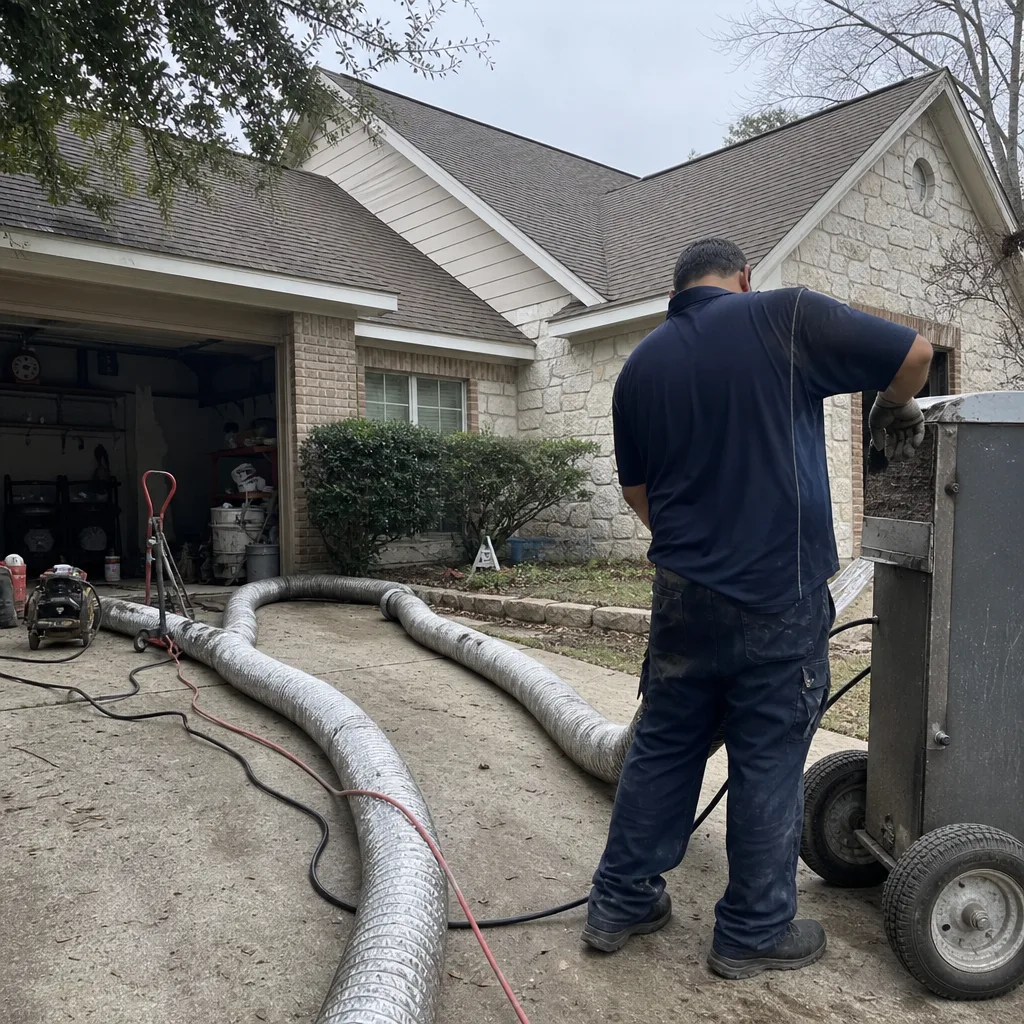 Before
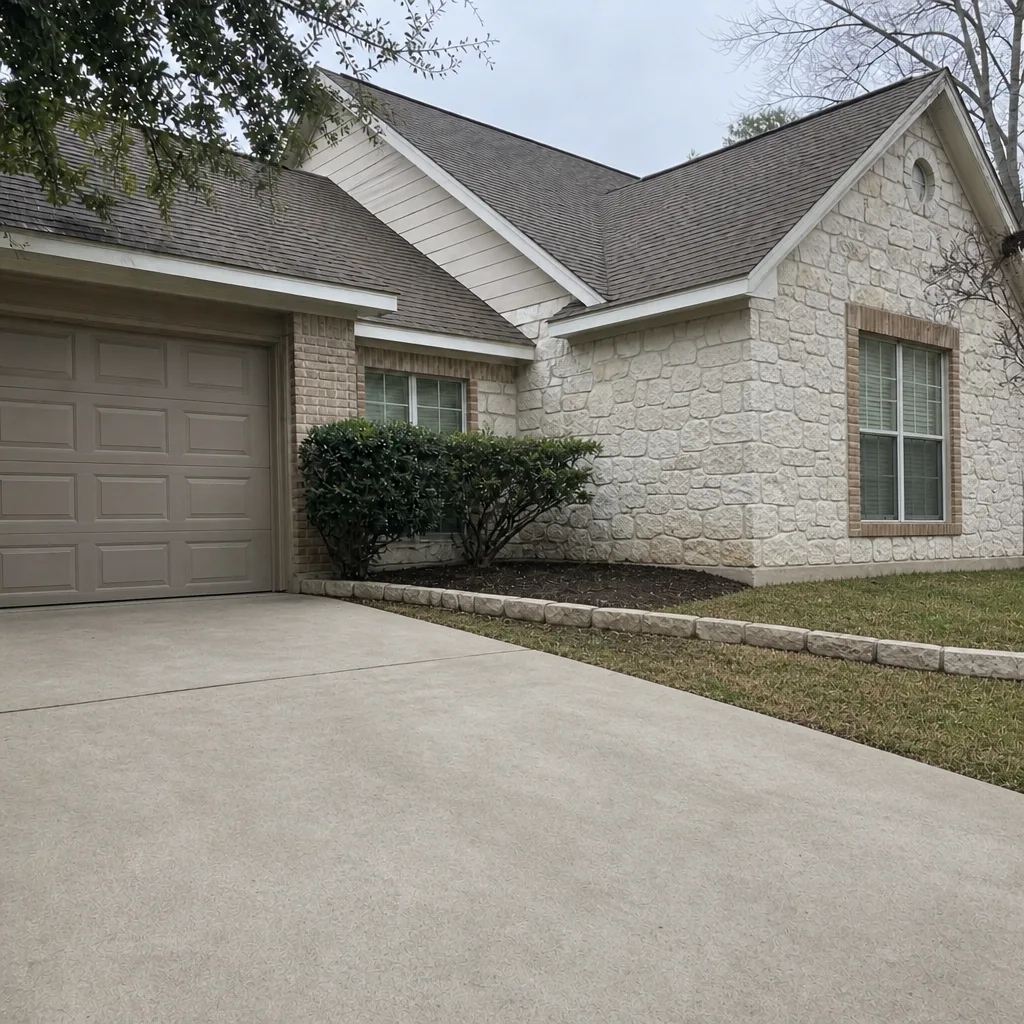 After
Frequently Asked Questions
Not always, but you need an inspection. Water that reaches the subfloor, walls or attic can wet duct components even if the duct interior stays dry, and the moisture can support mold activity on the duct exterior or at the connections. An inspection tells you whether you’re facing a targeted cleaning, a full remediation cleaning, or nothing at all. Call (833) 588-6184 for an exact quote – estimates are free.
Typical post-event duct cleaning in College Station runs in the range of a professional mechanical cleaning, not a single register-to-register pass. The written estimate sets the final price, and it’s per system, not per vent. If repair is also needed, that’s quoted separately. Call (833) 588-6184 for an exact quote – estimates are free.
Because they usually describe a different job. A low quote often covers a single blower and vacuum pass through the registers with consumer-grade equipment, which cannot address contamination that has moved through the duct interior or reach into the boots and plenum. A remediation-grade mechanical cleaning uses negative-air containment and HEPA filtration and takes longer. Neither quote is wrong, but they aren’t the same service. Call (833) 588-6184 for an exact quote – estimates are free.
Before-and-after photos of your own ducts. Ask for them before work begins and confirm they’ll be included in the completion record. A legitimate mechanical cleaning produces visible evidence at the register boots, the plenum and the branch takeoffs. If a contractor can’t show you the before and after, you’re paying for a promise. Call (833) 588-6184 for an exact quote – estimates are free.
For most College Station homes, every three to five years is a reasonable interval under normal conditions, sooner after a weather event that disrupted insulation or introduced moisture. If anyone in the home has allergies or the house has pets, or if the system has never been cleaned, the interval tends to shorten. Call (833) 588-6184 for an exact quote – estimates are free.
Often yes, when the event caused the damage and you can document the “before” condition. The strongest claim files include pre-event photos, a post-event inspection report, and a written scope and estimate for the recommended work. Not every policy covers duct remediation, so confirm with your insurer before authorizing the work. Call (833) 588-6184 to schedule the inspection that starts the file.
The Bottom Line
Duct systems are the last thing most College Station homeowners address after a storm and the first thing that spreads contamination if they don’t. Do not run the HVAC until the ducts have been inspected. Build a pre-storm documentation file while the system is clean so an insurance claim after an event is a documentation exercise rather than a negotiation. Take the dryer vent seriously as a fire risk after any roofing or insulation disturbance. When the inspection is done and cleaning or repair is warranted, use remediation-grade equipment rather than a blower and vacuum pass. A complete duct system care job covers cleaning, clearing and repair, not just one of them.
Where to Start
If you’ve had water, insulation or roofing damage in a College Station home, the first move is an inspection, not a cleaning and not a thermostat bump. Call (833) 588-6184. We answer 24/7. Fast dispatch from 7am to 7pm, Sunday through Friday. Estimates are free, and every job is quoted as one flat price per system before work begins. For the underlying service, see our guide to air duct cleaning; for fire-safety framing on the dryer side, see dryer vent cleaning. If you’re narrowing this guide down to your specific neighborhood or need to schedule from a different city, our College Station page has the local details, and the main Bedrock Air Duct Cleaning site covers how we approach the work overall.
Written by the team at Bedrock Air Duct Cleaning.